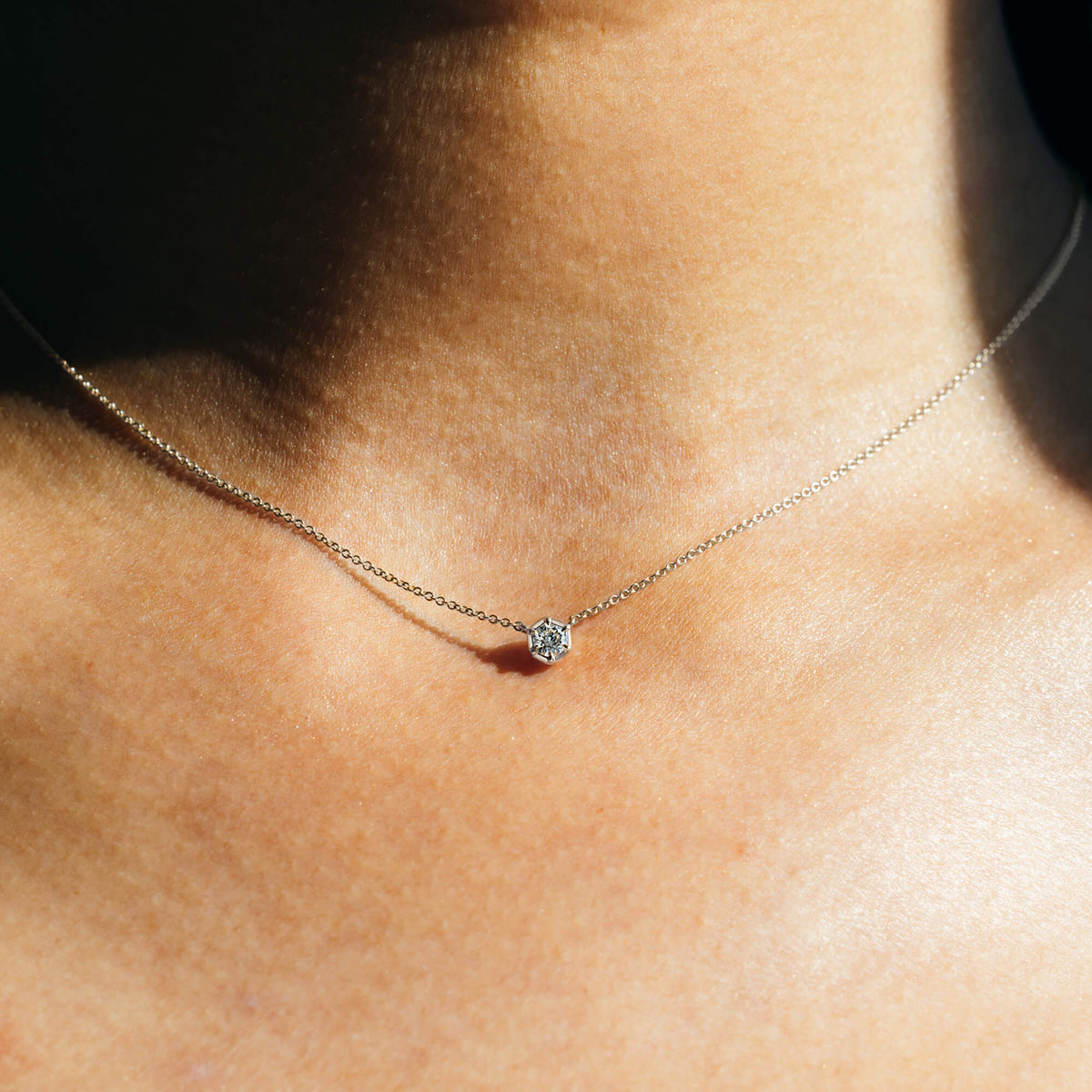
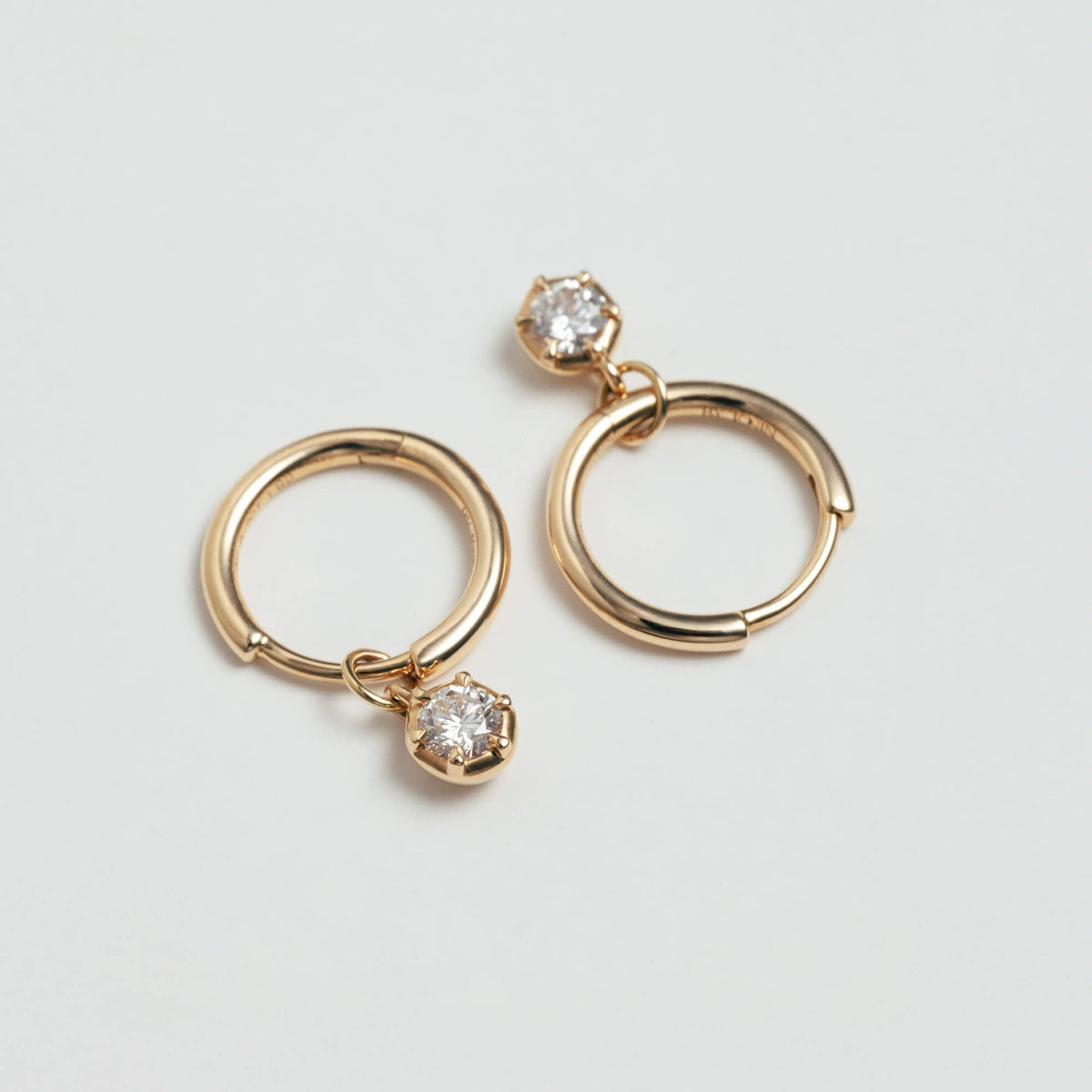
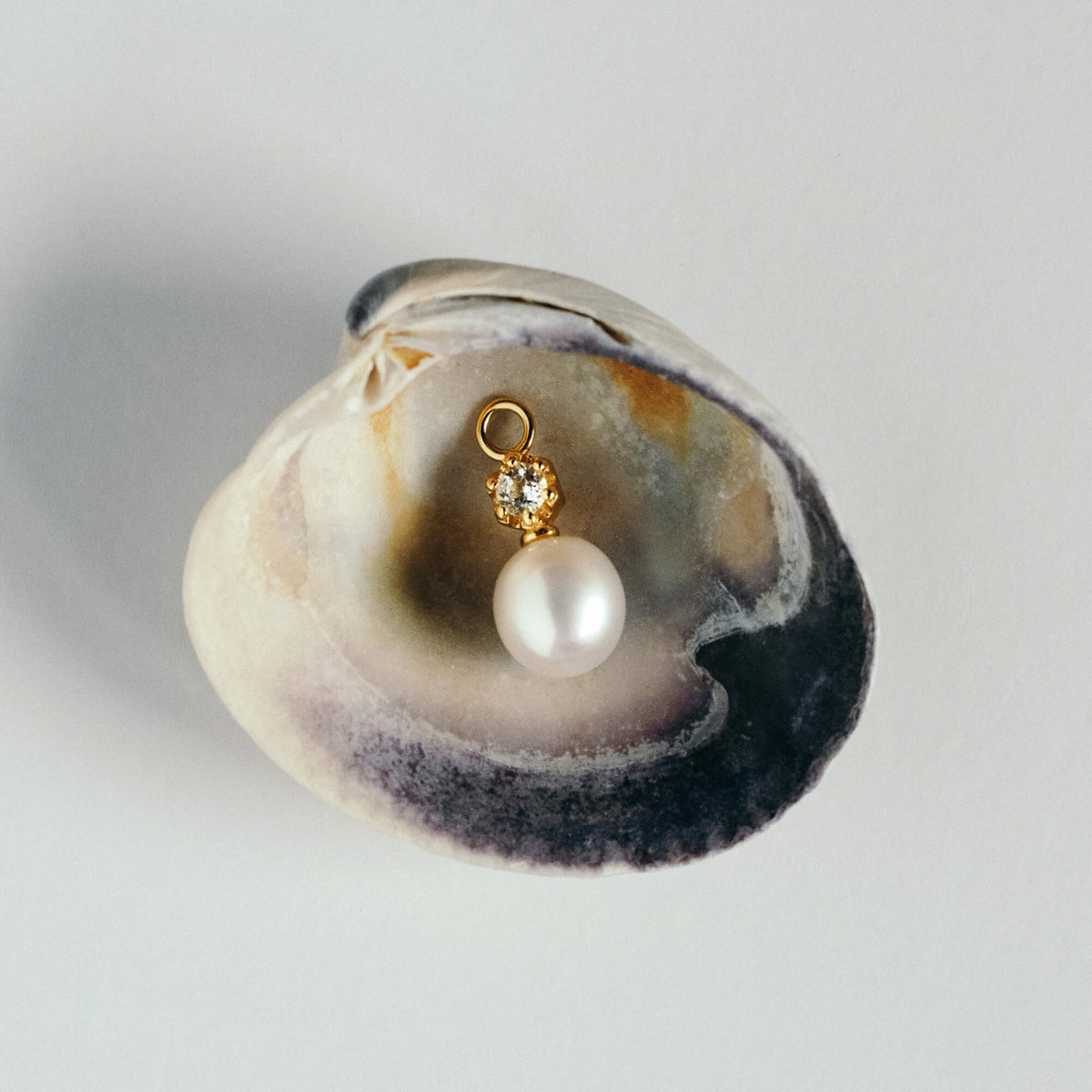
The 4 Cs: A Guide to Choosing a Diamond
Choosing a diamond for a modern heirloom involves balancing technical details with how a stone actually looks and feels. At BY TONIN, we use the "4 Cs"—Cut, Colour, Clarity, and Carat—as a practical framework for intentional design.
Whether you are selecting a stone for a Signature Commission or a modified classic, understanding these four pillars helps you focus your budget where it matters, ensuring your piece remains grounded and wearable.
1. Cut: The Source of Brilliance
It is a common misconception that diamond cut vs shape are the same. While shape refers to the outline (like Pear or Emerald), Cut refers to the architectural precision of the facets.
The Consideration: Cut dictates how a diamond handles light. An expertly cut stone reflects light internally and returns it through the top, creating a natural brilliance. A poor cut can leave a stone looking dull or dark in the centre.
The BY TONIN Standard: We prioritise 'Excellent' or 'Ideal' cuts. A superior cut is a master of disguise; it can make a stone appear whiter and mask small internal inclusions. We believe a smaller, perfectly cut diamond will always feel more intentional than a larger, poorly cut one.
2. Colour: Finding Neutrality
Diamond colour is graded from D (colourless) to Z (tinted). For the minimalist aesthetic we value, we typically work within the colourless and near-colourless range.
The Intentional Choice: The metal of your setting—whether yellow gold or white gold—affects how colour is perceived.
-
Yellow Gold Settings: For our 9ct, 14ct and 18ct yellow gold pieces, the warmth of the metal is forgiving. We often recommend a "Near Colourless" stone (grades G or H). These look white against the gold but offer better value.
-
White Gold Settings: In sterling silver or white gold, the cool-toned metal can highlight yellow tints. Here, we recommend the D-F range for a crisp finish.
3. Clarity: Natural Character
Clarity measures the "purity" of the diamond, identifying inclusions and blemishes. These are the natural markings of a stone.
The Practical Approach: While "Flawless" stones are rare, we advocate for eye-clean diamonds. This means that while inclusions might be visible under magnification, they cannot be seen by the naked eye. We typically guide clients toward VS1 or VS2 (Very Slightly Included) grades to ensure visual purity without unnecessary excess.
4. Carat: Presence and Weight
Carat refers to weight, not physical size. While a higher lab grown diamond carat weight usually results in a larger stone, the dimensions are also influenced by the Cut.
-
Lab-Grown: Because these are a product of modern innovation, they allow for a greater scale. You can often secure a larger stone for the same investment as a mined diamond, without sacrificing quality.
-
Mined: A higher carat weight in a mined diamond represents an investment in rarity and the geological history of the material.
Our approach
At BY TONIN, we primarily work with lab-grown diamonds. Because these are a product of modern innovation, they allow for a greater scale. You can often secure a larger stone for the same investment as a mined diamond, without sacrificing quality.
Designing Your Piece
Choosing a stone is about how it fits into your life and reflects your story. By prioritising Cut and finding value in Colour and Clarity, you can create bespoke engagement rings New Zealand-wide that are as functional as they are beautiful.
Ready to see these stones in person? Our consultation process is designed to help you navigate these choices with confidence.