The Heirlooms People Wish They’d Inherited

We tend to think of heirlooms as objects passed down through generations—rings, watches, or necklaces stored until their next owner is ready. But when people are asked what they wish they had inherited, the answers are rarely about material value.
They are about presence.
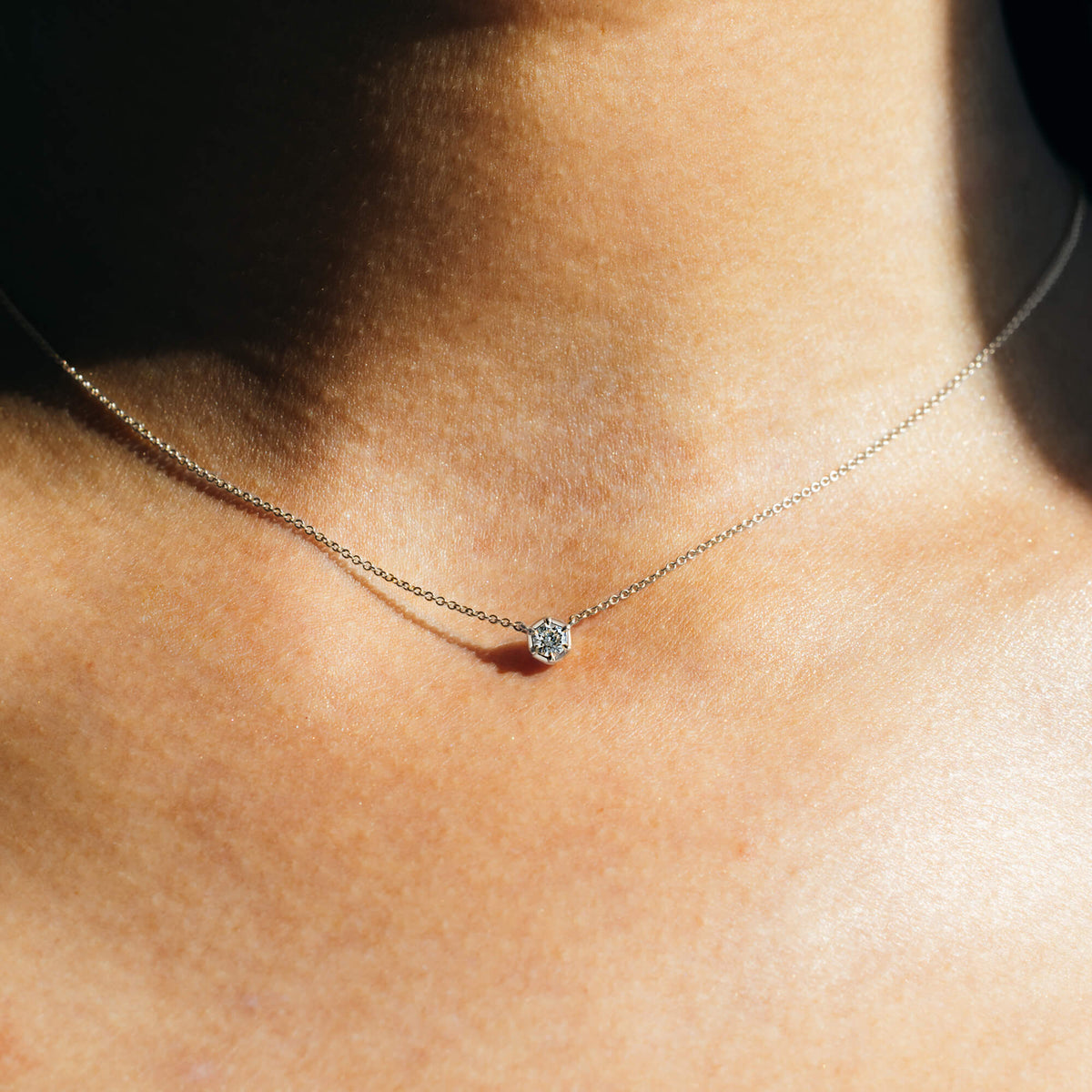
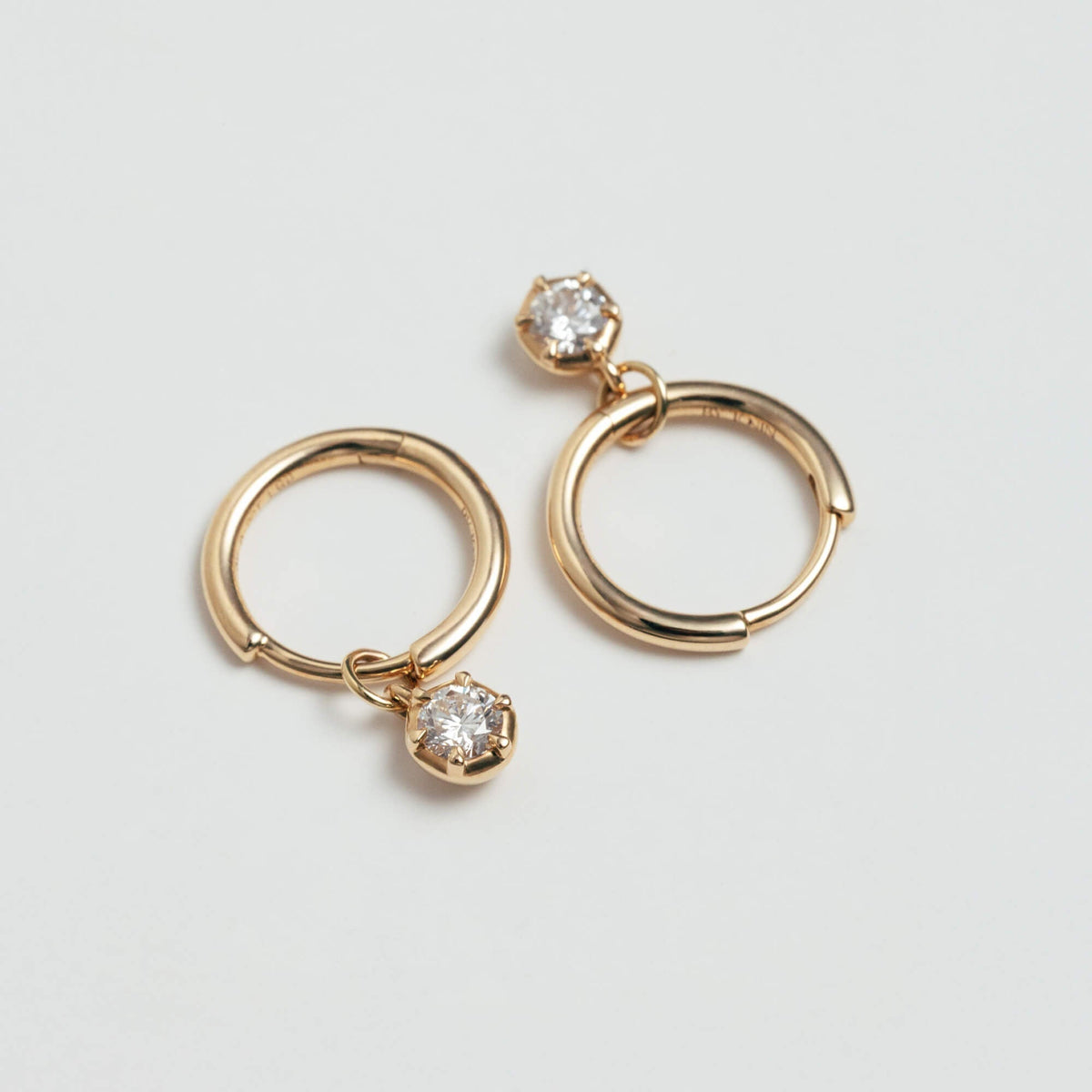
A grandmother’s handwritten recipe book with notes in the margins. A mother’s worn chain that never came off. A film camera that travelled through birthdays, holidays, and ordinary afternoons. A coat with pockets shaped by years of carrying keys, or earrings worn so often they stopped being noticed. These are objects that lived in motion, not in boxes. The most desired heirlooms are not the most precious ones; they are simply the most lived in.
Objects and the Self
Psychologist Russell Belk described possessions as part of the "extended self"—the idea that certain objects become so closely tied to identity that they feel like an extension of who we are, rather than things we own.
This helps explain why certain inherited pieces feel entirely irreplaceable, even when they are materially simple. A page stained with vanilla extract, a softened leather strap, or a slight bend in a ring all carry evidence of a life lived. We are not just responding to the object itself, but to the person who used it.
Meaning Over Material
Sociologist Pierre Bourdieu, in Distinction: A Social Critique of the Judgement of Taste, explores how the value of objects is shaped not only by their material qualities, but by social context—how they are used, who uses them, and the meaning attached to them.
An heirloom is rarely about perfection. In fact, it is often the opposite. Frayed edges on a notebook, a shape adjusted by time, a surface smoothed by touch—these are the details that signal continuity. What we long for is not newness, but a history we can feel.
The Architecture of Absence
There is also something revealing in what people wish they had inherited. It suggests that heirlooms are not only physical objects, but emotional placeholders. They represent stories we want access to—connections to people we may not have fully known, or moments we did not get to witness.
Cultural theorist Arjun Appadurai, in The Social Life of Things: Commodities in Cultural Perspective, suggests that objects gain meaning through their “social life”—the way they move through people, contexts, and time.
What Becomes an Heirloom
Perhaps the most overlooked truth is that heirlooms are not defined at the end of their life, but at the beginning. They are not chosen because they are special; they become special because they are chosen, worn, and repeated.
Sociologist Erving Goffman wrote about how we construct identity through everyday presentation—small, repeated acts that build a sense of self over time. Jewellery functions in much the same way. It becomes part of the daily routine of who we are.
The Modern Heirloom
Which raises a question: if we rarely inherit the pieces we wish for, what are we beginning now that might one day be missed?
A modern heirloom is not defined by age or rarity, but by attachment. It is the ring worn without thought, the necklace that never leaves, or the earrings that become part of how someone remembers you. Not because they were saved, but because they were lived in.