The Psychology of Personal Adornment

The Meaning Behind What We Wear
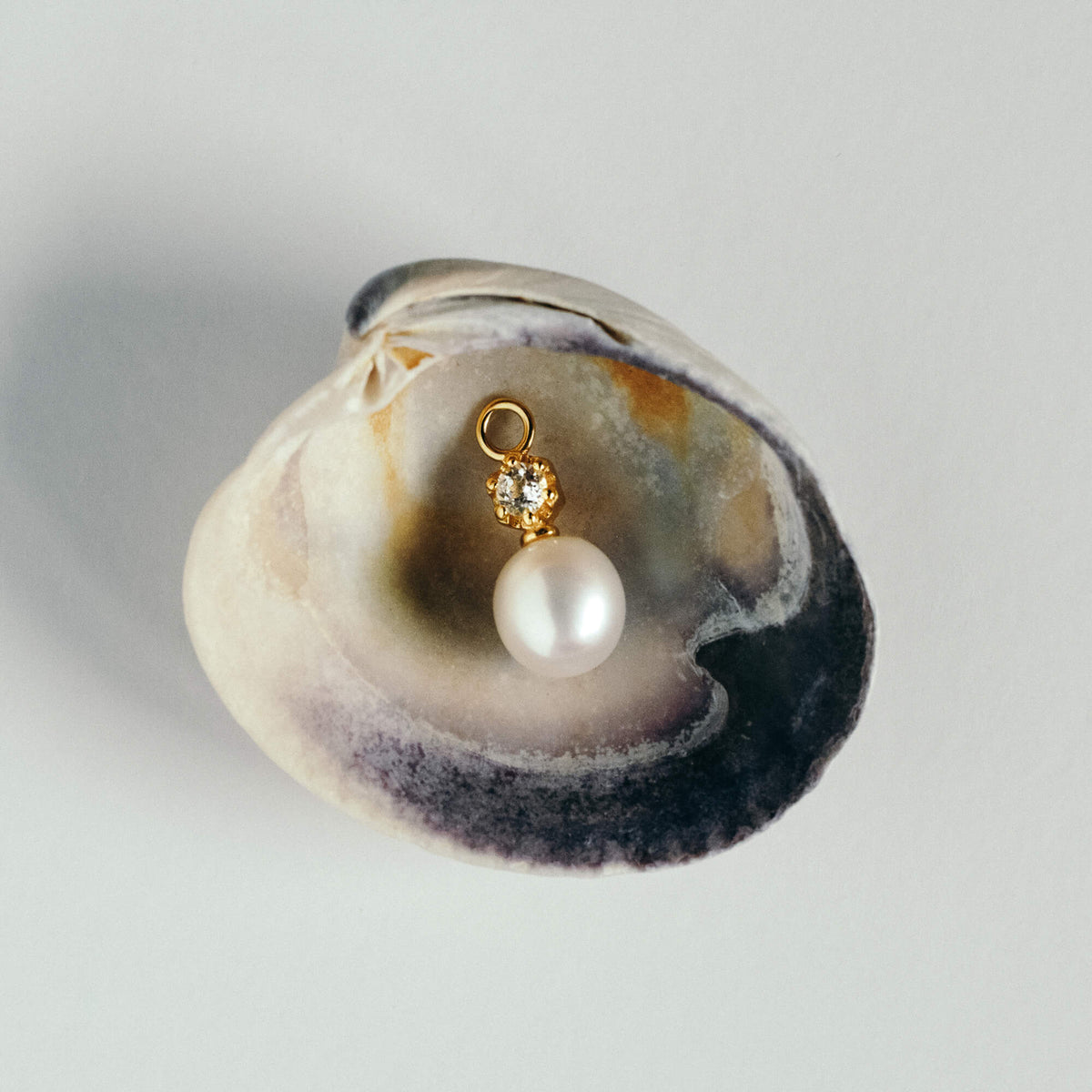
Long before jewellery became viewed as a luxury, it functioned as a simple visual language. Across cultures and histories, people have chosen to wear objects carrying personal meaning. Shells, beads, precious metals, gemstones, and talismans have always served a purpose beyond decoration—marking milestones, signalling community, and acting as a daily connection to our identity.
The instinct to wear these objects is universal, yet the motivations behind how we choose our daily pieces remain deeply personal.
Appearance as a Daily Conversation
Dress scholar Susan B. Kaiser suggests that appearance is a primary form of communication—an ongoing conversation between how we perceive ourselves and how we interact with the world. Every decision in the morning routine contributes directly to that dialogue. The ring worn every day, the necklace reached for before an important meeting, or the earrings chosen for a celebration all serve as grounding anchors. These pieces may appear small, but they hold weight in our daily lives.
Unlike seasonal garments that change with the weather and circumstances, simple jewellery remains a constant. It moves with us through different life stages, gathering our personal stories as it ages. A piece chosen to mark a promotion may later represent professional confidence. A gift received during a significant chapter may continue to evoke the feelings attached to that moment decades later.
Identity and Material Memory
Psychologist and consumer researcher Russell Belk describes certain possessions as part of the "extended self"—the idea that specific objects become so deeply woven into our daily lives that they cease to be mere external items. Instead, they become extensions of our identity. We do not simply own them; they help define who we are.
This concept explains why a piece of jewellery can feel entirely irreplaceable to its wearer. The true value of a cherished object is rarely about the materials alone. Two physically identical rings hold completely different worth based entirely on their history. One remains a manufactured object; the other contains a story.
A Visual Shorthand
Sociologist Erving Goffman noted that individuals present different versions of themselves depending on the daily context. Our appearance plays an essential role in this, helping us communicate our personality, values, and aspirations before a single word is spoken.
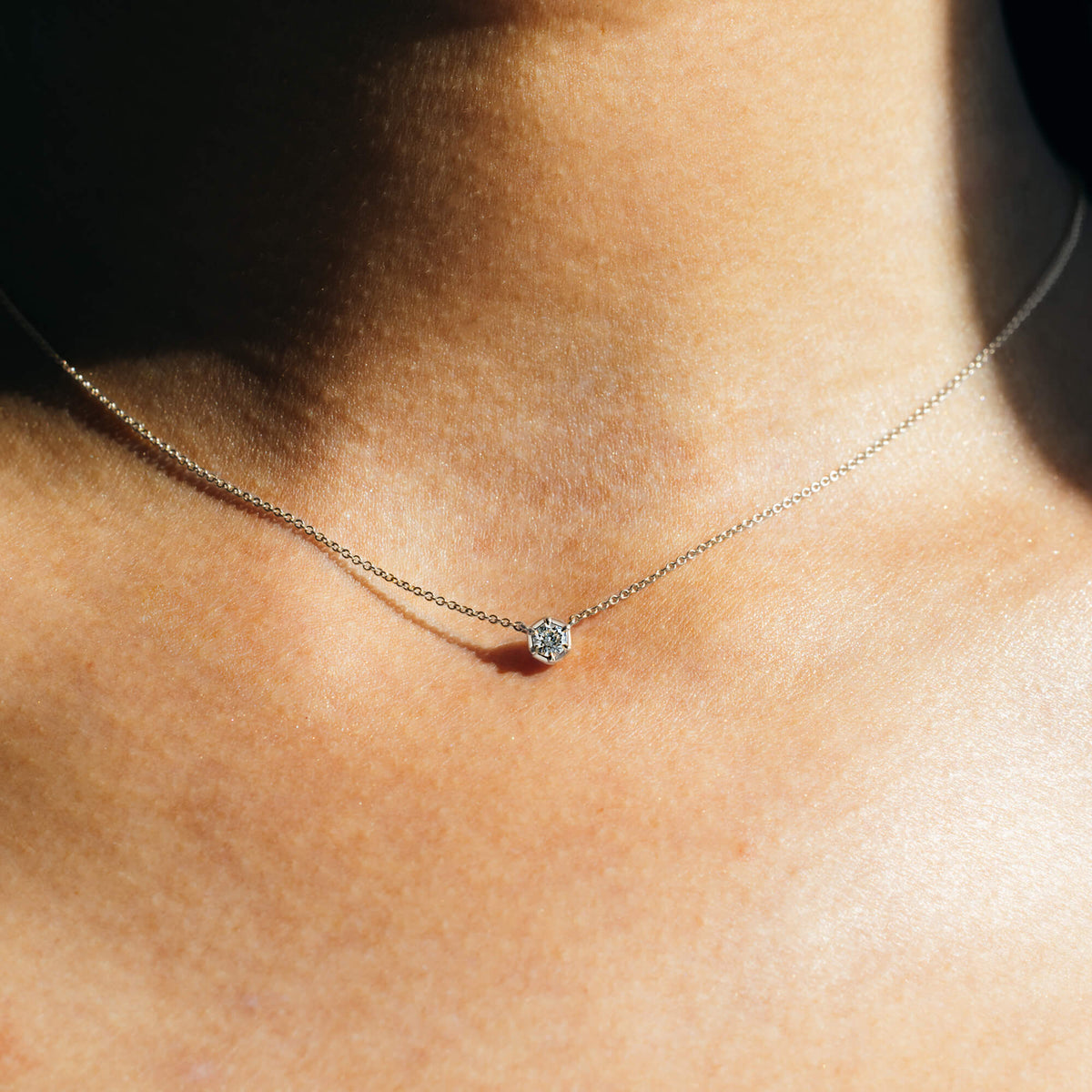
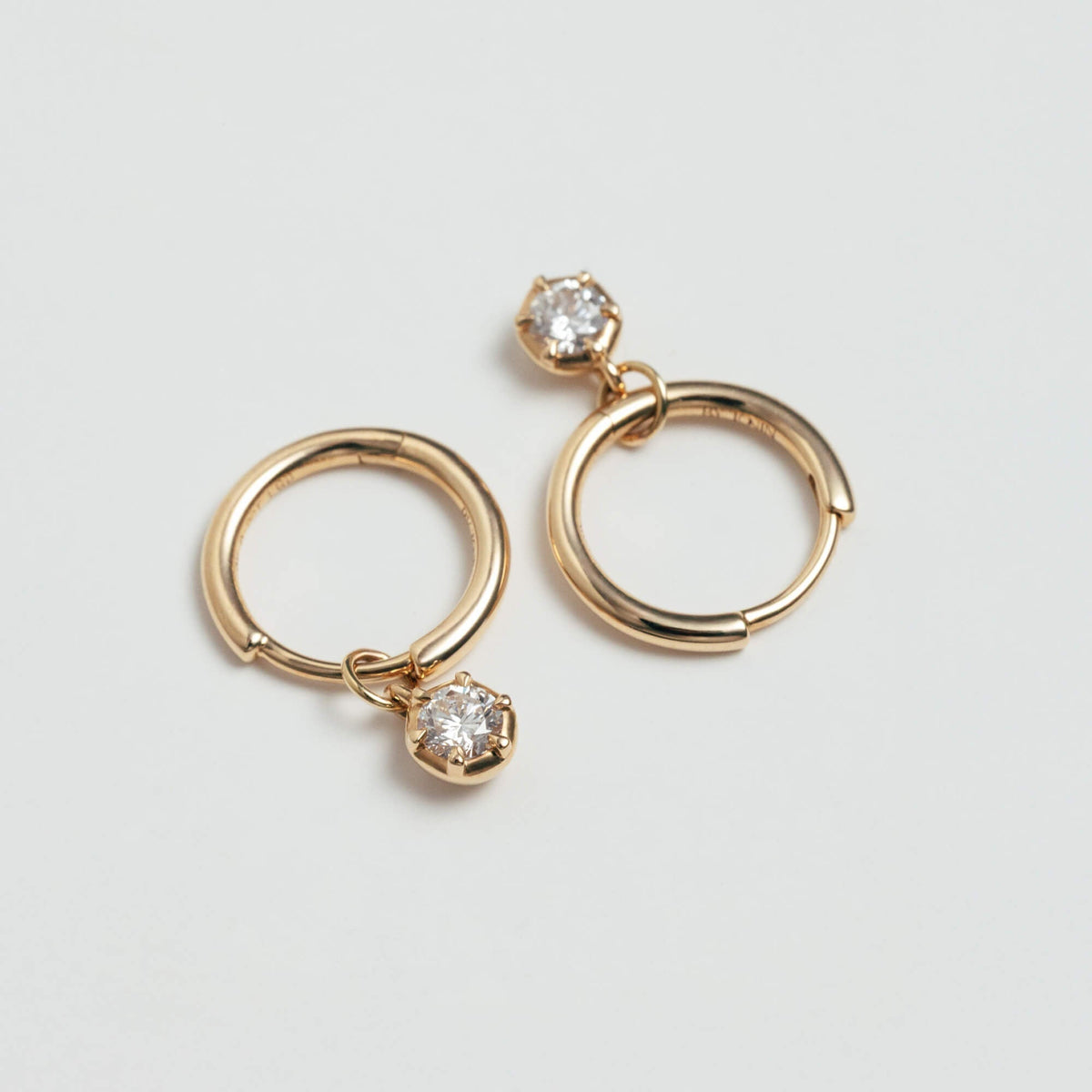
Jewellery occupies a distinct space within this process. It stands as one of the few forms of personal expression that remains entirely constant, independent of changing fashion trends. A signature ring, a pair of diamond earrings, or a cherished pendant become elements of a visual shorthand. They are less about transforming who we are, and more about reinforcing our existing foundation. Less about becoming someone else, and more about expressing who we already are.
From Material to Memory: The Creation of Heirlooms
Perhaps this need for continuity is why the pieces we value most are so often the simplest. They are not designed to be reserved solely for formal occasions or kept hidden away for safekeeping. Instead, they are intended for the rigor of everyday life—witnessing ordinary mornings, significant milestones, unexpected opportunities, and countless moments in between.
Over time, their significance deepens through consistent wear:
-
What begins as simple adornment shifts into a daily ritual.
-
What begins as a conscious choice transforms into a memory.
-
What begins as a physical object becomes part of a personal story.
While the term "heirloom" traditionally brings to mind antique pieces passed down through generations, every single heirloom begins with the same simple origin: a single piece chosen, worn, and intentionally loved by someone. Its value is not manufactured in an instant; it is accumulated over years of shared experience.
This may be the true purpose of daily adornment—not its ability to decorate the body, but its ability to carry meaning. To remind us who we are, where we have been, and what matters most. The pieces we return to again and again are rarely the loudest or most extravagant. They are the ones that simply become part of us.
When we choose to wear a piece, we are rarely searching for mere decoration. Instead, we are looking for connection—a tangible expression of identity, memory, and meaning that remains long after trends have passed.