
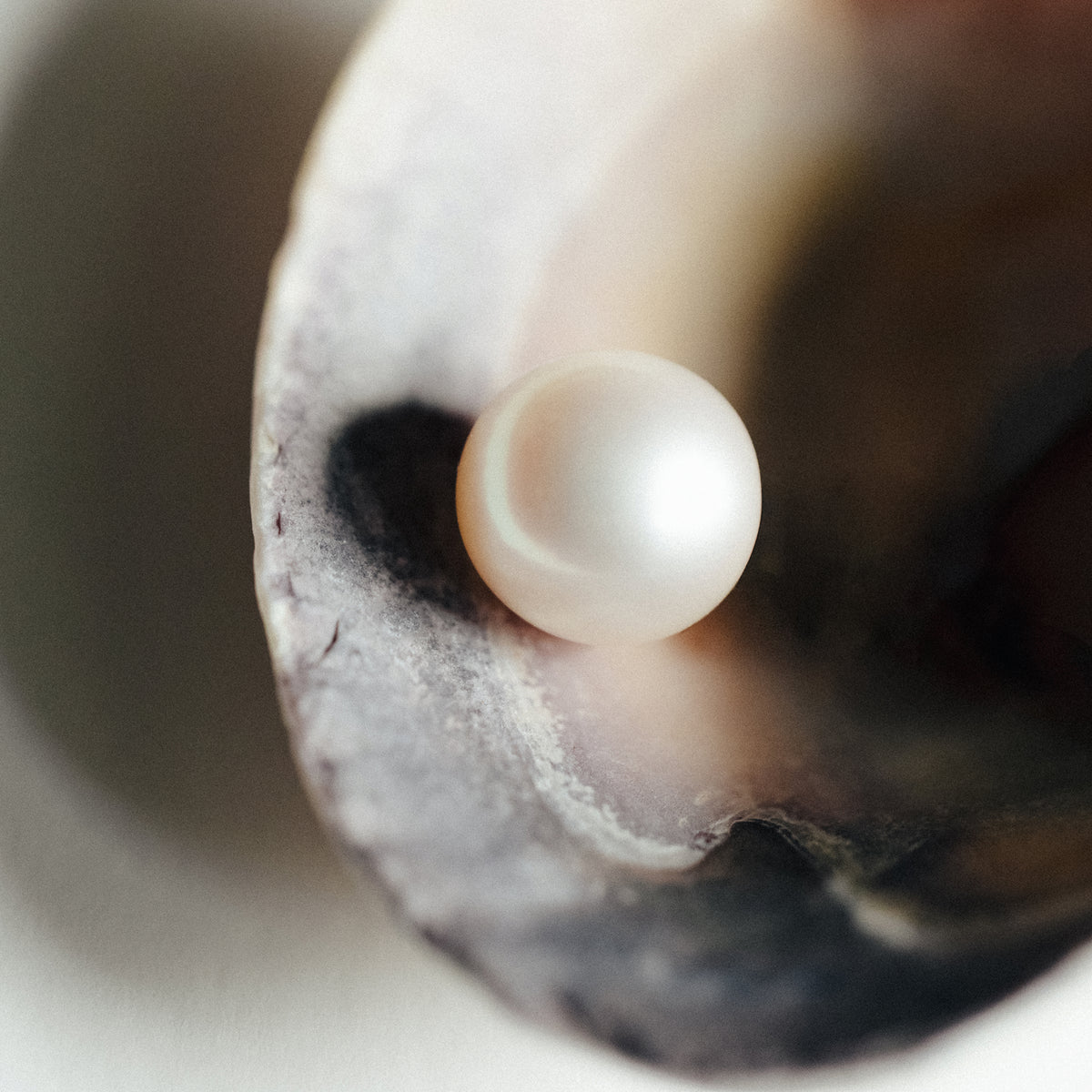
Nature's Perfect Gem: How a Pearl is Formed
The journey of a pearl is a study in patient transformation. While most gemstones are extracted from the earth as raw, static crystals, the pearl is a singular anomaly: the only gem born of a living organism.
Understanding the biological artistry behind these stones doesn't just inform the wearer; it deepens the connection. Below, we explore the education of how a freshwater pearl is formed, nature’s engineering, and the rigorous GIA pearl quality factors that define our collection, La Clara.
The Rarity of Natural Symmetry
In its raw state, nature rarely offers perfection. Because a pearl grows organically within a living mollusc, it is shaped by the shifting pressures of its environment. This usually results in the irregular, the "baroque," and the "potato" shapes that constitute the vast majority of any harvest.
La Clara is in the rare exception. Through a rigorous filtration process, we bypass these organic shapes to select only the top tier—gems that have achieved near-perfect axial symmetry. It is an edit that bridges the gap between organic softness and the sharp precision of fine jewellery.
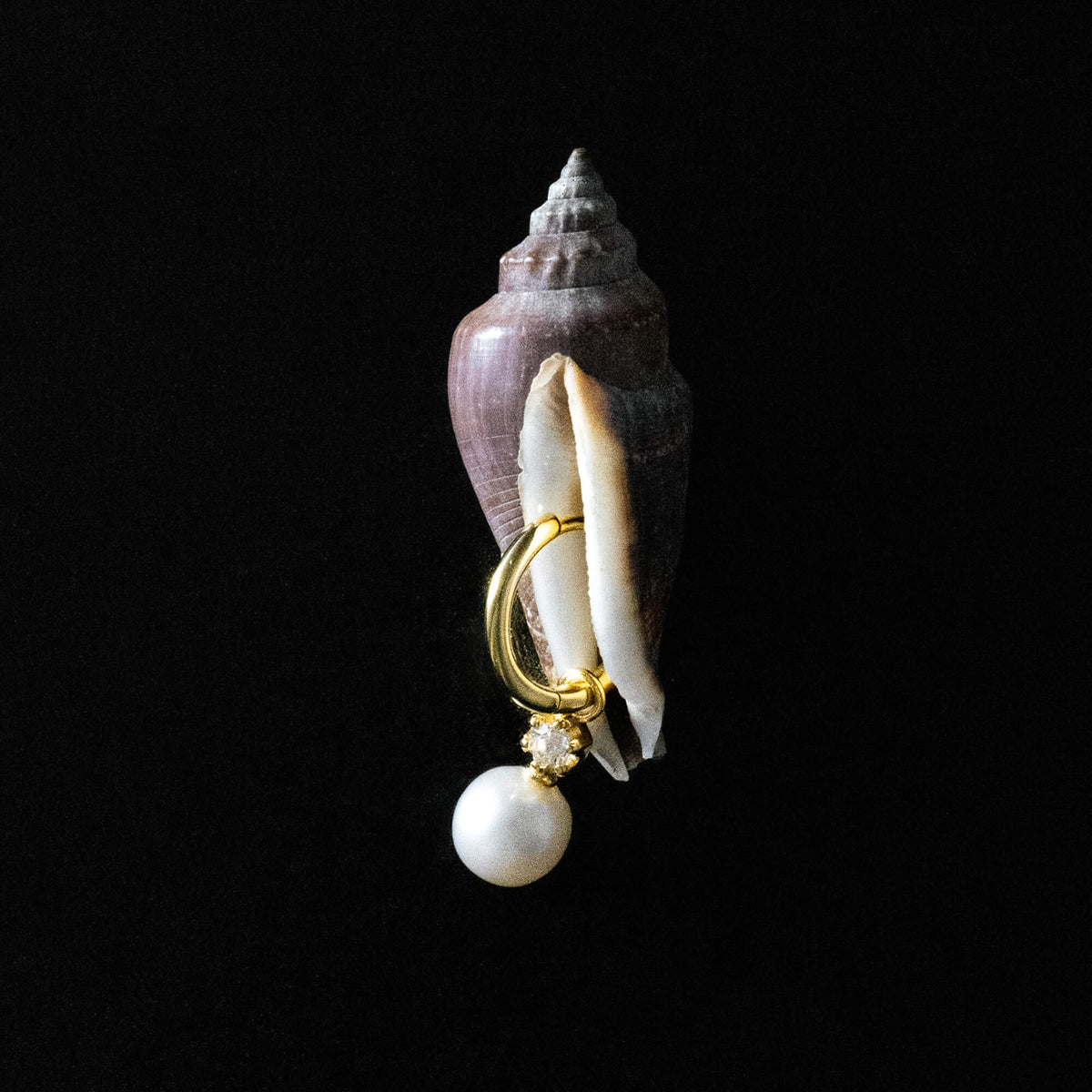
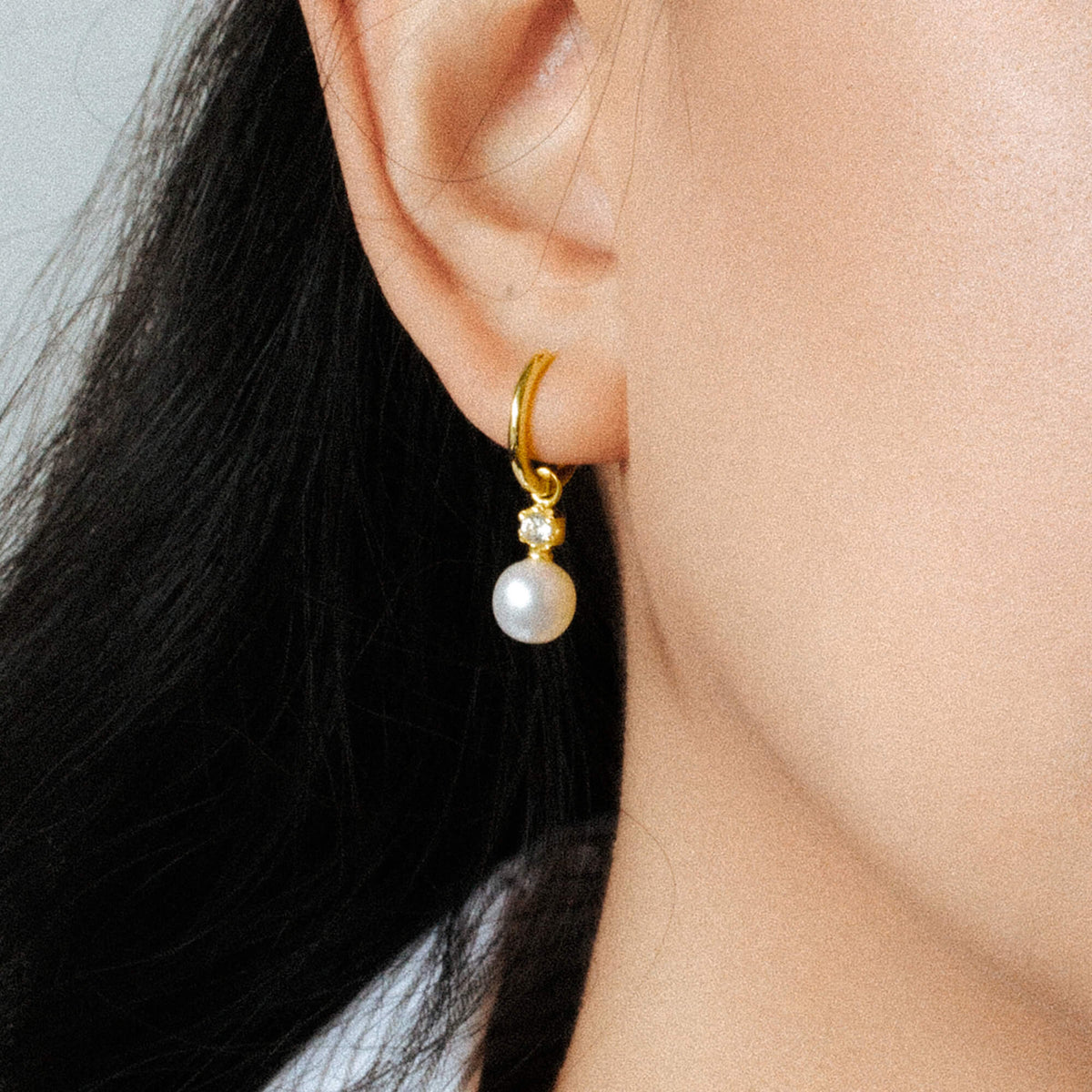
The Cultivation: Saltwater vs. Freshwater
The environment in which a pearl grows—and how the process is initiated—dictates its character, weight, and internal composition.
Saltwater Pearls (The Seeded Method)
Most saltwater pearls, such as the famous South Sea or Akoya varieties, are grown in oysters. The cultivation process is highly surgical; it involves inserting a pre-fabricated round bead, known as a nucleus or "seed," into the oyster’s reproductive organ. In response, the oyster coats this bead in layers of nacre. While this method guarantees a large, perfectly round shape, it is important to note that the "heart" of the pearl is essentially a man-made bead. The actual thickness of the nacre (the part that is truly "pearl") is often just a thin coating over a solid core.
Freshwater Pearls (The Solid Nacre Method)
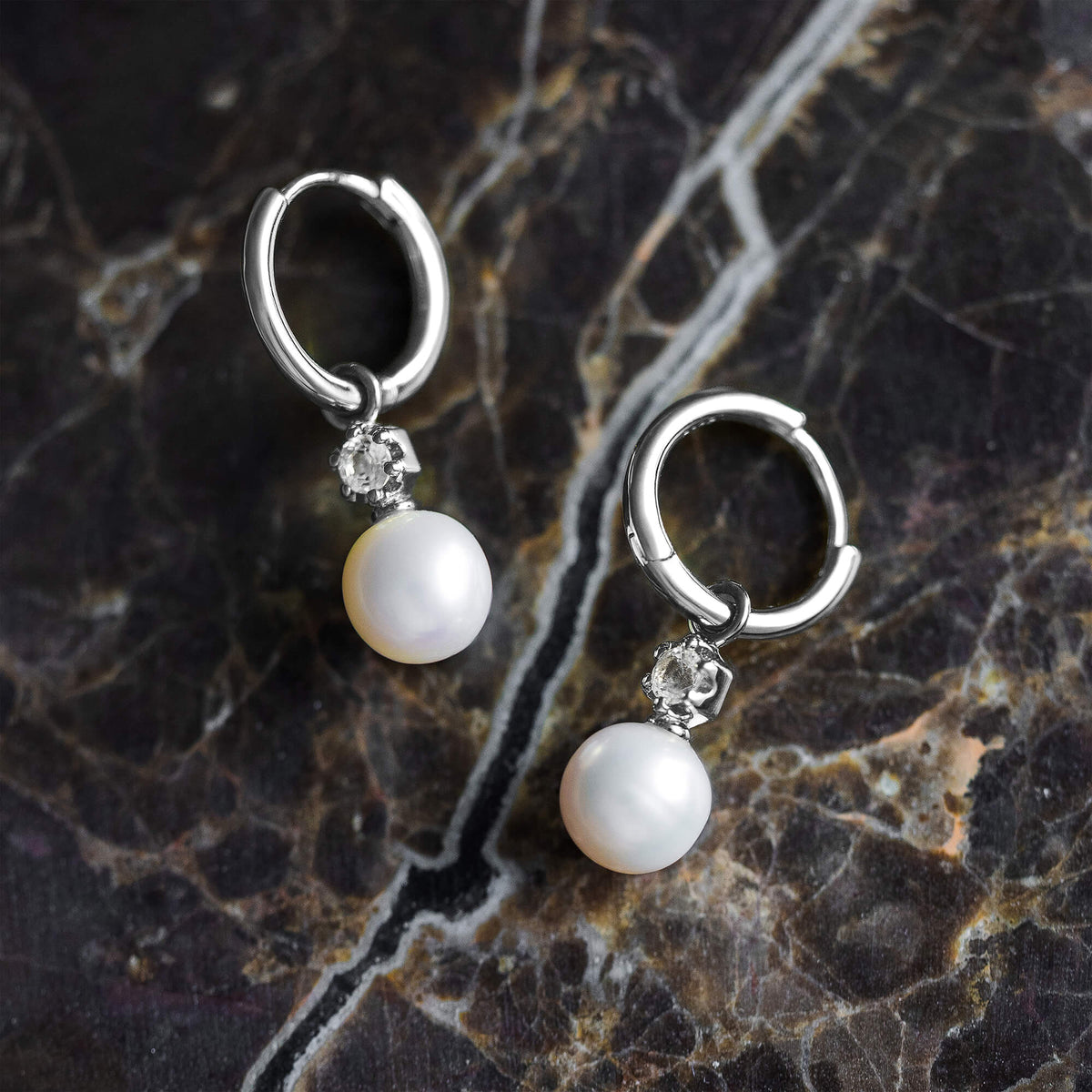
Freshwater pearls are cultivated in the serene, nutrient-rich environments of lakes and rivers. Unlike their saltwater counterparts, the focal freshwater pearls featured in all La Clara earrings are non-seeded. Instead of using a hard bead as a guide, a tiny piece of donor mantle tissue is used to stimulate the process. Because there is no internal "seed" to act as a shortcut, the mussel produces a gem composed of 100% solid, authentic nacre from the inside out.
Understanding Pearl Density and Composition
Because our pearl earrings are formed entirely of nacre without an artificial core, they possess an incredible depth. The light travels deeper into the stone before reflecting back, creating a soul-stirring glow that a seeded pearl simply cannot replicate.
Furthermore, solid nacre pearls are remarkably durable. Because they are one consistent material, there is no internal bead that can separate or "peel" from the coating over time. This solid composition ensures your pieces remain a lasting legacy, maintaining their integrity for generations.
-
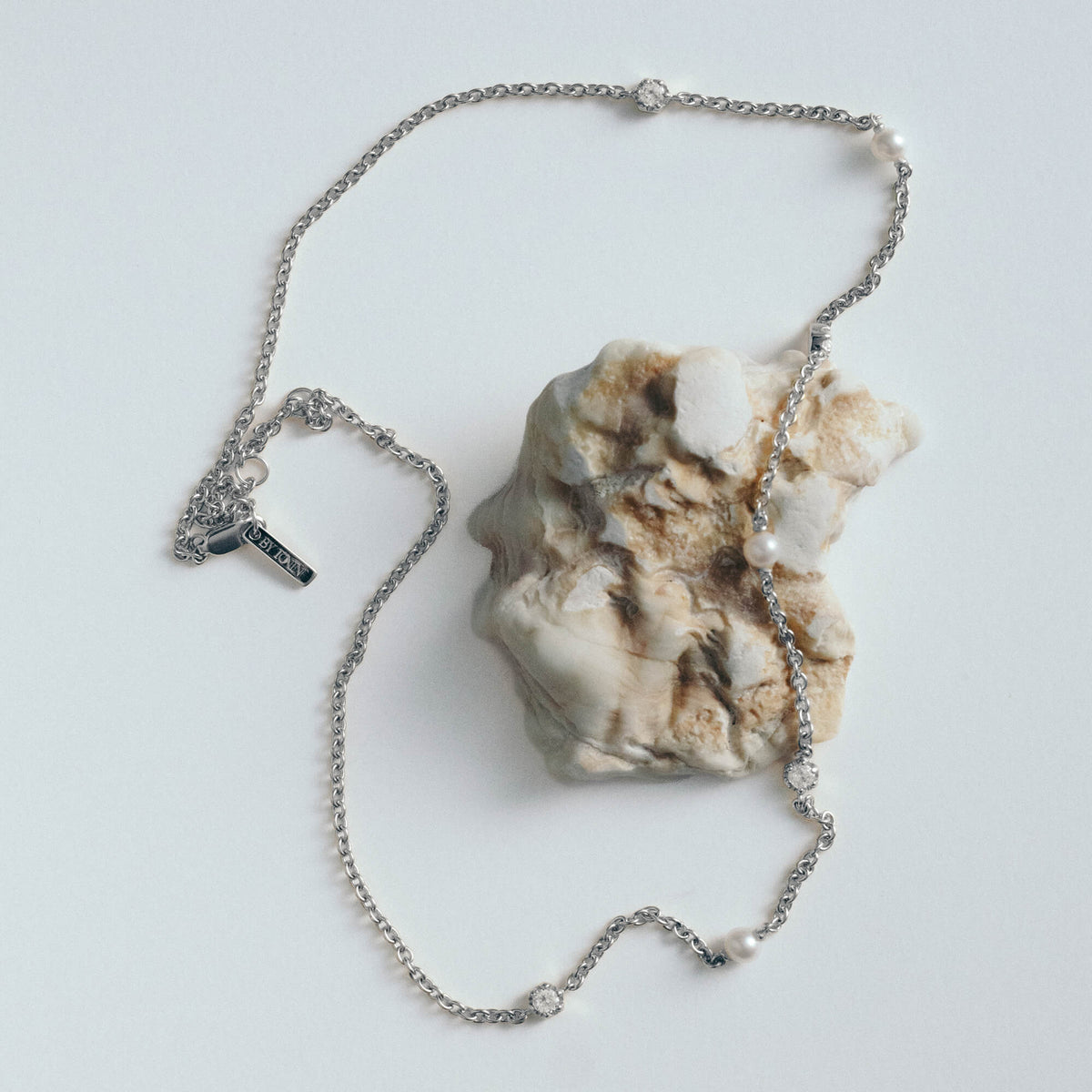
Note on Design Intent: To achieve the delicate, petite silhouettes required for our La Clara Station Necklaces and Bracelets, we select pearls formed via a seeded process. By utilising gems grown around a small, precise nucleus, we can ensure the refined, consistent scale and uniform roundness necessary for these intricate, architectural designs.
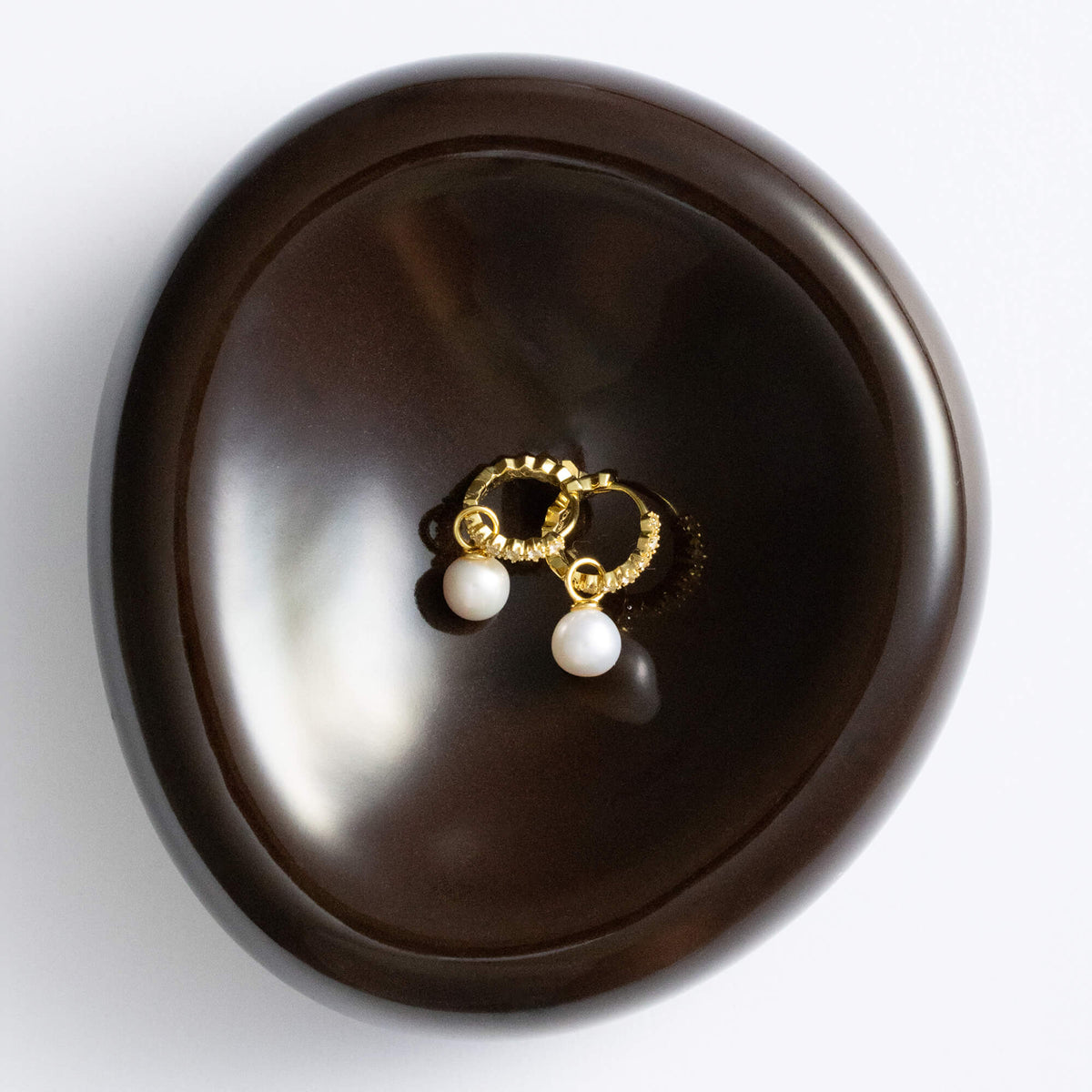
Why Freshwater is More Accessible
One of the most frequent questions in gemology is why freshwater pearls remain more affordable than saltwater varieties, even when they boast a solid nacre composition and rare near-round shapes. This is primarily due to a significant biological difference in production capacity and cultivation efficiency:
High Yield Capacity
A saltwater oyster typically produces only one or two pearls at a time, often requiring years of recovery between harvests. In contrast, the freshwater mussel is much larger and heartier. A single freshwater mussel is capable of cultivating up to 30 or 40 pearls simultaneously.
Sustainable Cultivation
Because freshwater mussels can produce multiple gems at once, the cost of labour and environmental upkeep is distributed across a larger volume of pearls.
Democratising Luxury
This higher yield per mollusc allows high-quality freshwater pearls to be more accessible to a broader audience. It offers the unique opportunity to own a piece of fine jewellery that possesses the same organic beauty and lustrous surface as a saltwater gem, but at a price point that reflects nature's abundance rather than its scarcity.
The GIA Pearl Quality Factors
When curating pearls for our collection, we adhere to the rigorous standards set by the GIA (Gemological Institute of America). According to GIA, a pearl's value is determined by seven quality factors. We specifically focus on the most critical pillars to ensure the La Clara aesthetic:
1. Lustre
The most important factor. Lustre is the intensity of light reflected from the pearl’s surface. An exceptional pearl has a sharp, bright reflection. If the reflection is blurry or dim, the lustre is considered fair or poor. La Clara pearls are selected for their "high-beam" finish—a crispness that indicates high-quality nacre.
2. Surface Quality
Like diamonds have inclusions, natural pearls have surface characteristics. The fewer "spots" or "wrinkles" a pearl has, the more valuable it is. We hand-select gems that are remarkably clean to the naked eye, ensuring that light travels across the surface without interruption.
3. Symmetry and Shape
According to GIA: Round is the most difficult shape to culture, making it the rarest cultured pearl shape and—if all other factors are equal—also generally the most valuable.
While round is the most difficult shape for nature to produce, GIA classifies shapes into three categories: Spherical, Symmetrical, and Baroque. La Clara exclusively uses round to near-round pearls (Symmetrical category), which offer the elusive balance and classic aesthetic required for a sophisticated jewellery collection.
4. Nacre Quality
Exceptional pearls have thick, translucent nacre. In our non-seeded earrings, the nacre quality is at its absolute peak because the entire gem is solid nacre, allowing for maximum light refraction and long-term durability.
Beyond these pillars, GIA also evaluates:
5. Size
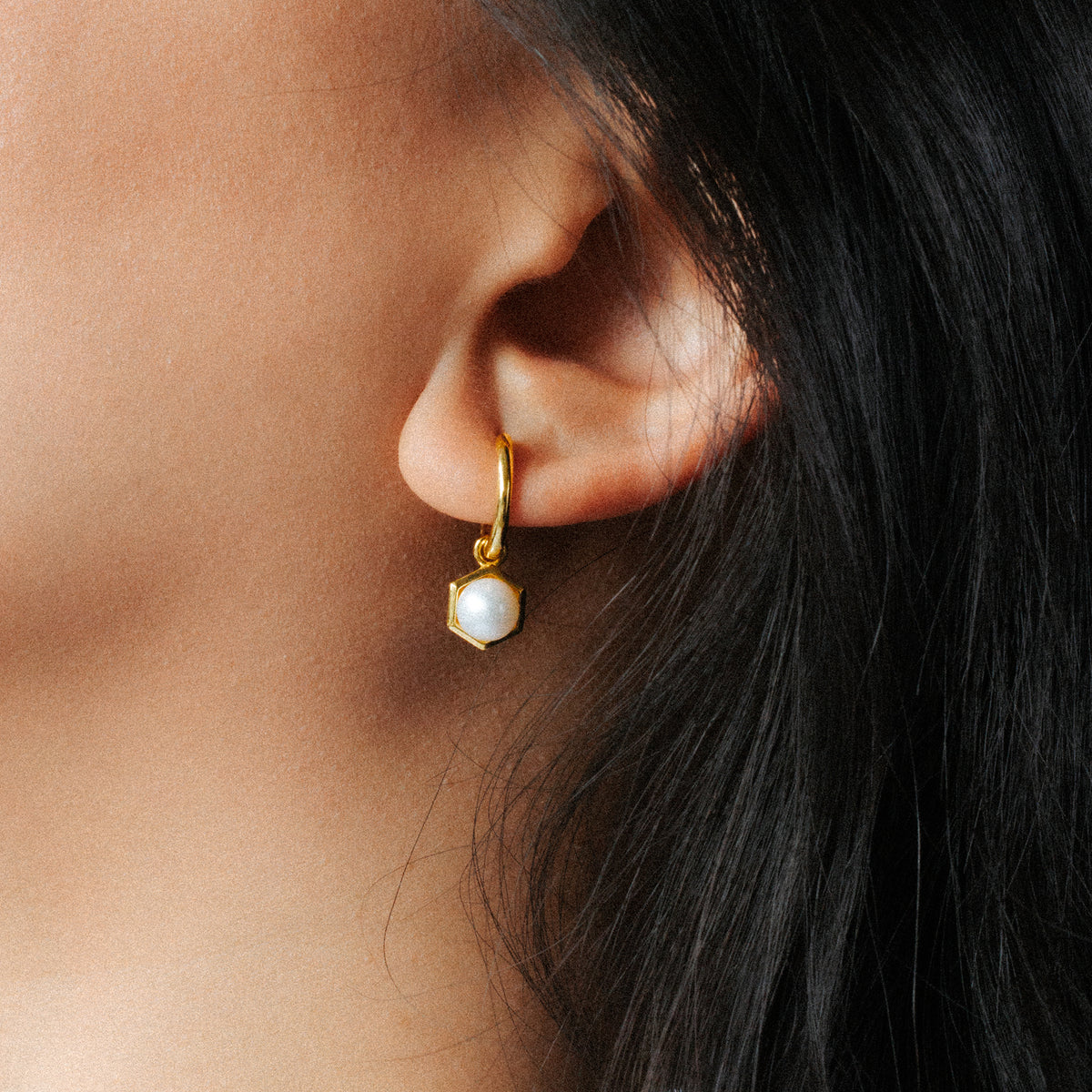
Measured in millimetres. While size doesn't determine quality, it impacts rarity. We use varied sizes—from our delicate 3mm station pearls to our 8mm statement drops—to create architectural balance.
6. Colour
This includes Bodycolour (the main colour) and Overtone (translucent colours on top). We select a classic, creamy-white bodycolour with cool, luminous overtones.
7. Matching
Our selection process ensures that every pair of earrings is a mirrored match in lustre, overtone, and symmetry.
How long does it take for a pearl to form?
Unlike fast-fashion materials, a high-quality pearl cannot be rushed. The time a mollusc spends in the water directly impacts the thickness and quality of the nacre. Different varieties require different growth windows:
- Freshwater Pearls: These are typically cultivated for 18–24 months before harvest. This window is considered the "sweet spot" for freshwater varieties; it allows enough time for the mussel to deposit thick, resilient layers of solid nacre without compromising the structural integrity of the shape.
- Akoya Pearls (Saltwater): These are often harvested much sooner, typically between 10–14 months. Because they are seeded with a large bead, the cultivation time is shorter, focusing on a high-lustre surface coating rather than solid depth.
- Tahitian Pearls (Saltwater): Grown in the black-lipped oyster, these usually require 18–24 months of growth. They are famous for their naturally dark body colours and intense overtones.
- South Sea Pearls (Saltwater): These require the longest commitment, often staying in the oyster for 2–3 years. Their larger size is a result of this extended growth period and the substantial size of the host oyster.
Final Thoughts
The result of this biological process is a gem that feels both architectural and organic. The pearl is nature’s perfect masterpiece—a stone that requires no cutting or polishing to reveal its brilliance. It is born from the water with a finished, luminous surface, making it one of the most honest and pure forms of adornment available.
By understanding the journey from a single aragonite crystal to a finished piece of jewellery, we hope you wear your La Clara pieces not just as accessories, but as a connection to the patient, enduring artistry of the natural world.
Frequently Asked Questions
Is it possible to find a perfect pearl?
Strictly speaking, a "perfect" pearl does not exist in nature. Perfection is a concept for glass beads and plastic imitations. Because a pearl is a biological gem grown inside a living organism, it is subject to the beautiful whims of nature. To demand perfection from a pearl is to ignore its very origin.
Are La Clara Pearls perfectly round?
The perfect pearl does not exist in nature. Because every La Clara pearl is grown organically, they are never "factory perfect."
If they aren't "perfect," how do you choose them?
We prioritise harmony over perfection. We hand-select "near-round" pearls, which provide the classic aesthetic of a round pearl while retaining the soul and weight of an organic gem.
What are these "imperfections" I see?
We prefer to call them natural signatures. On close inspection, you may find:
- Surface Traits: Micro-textures, tiny ripples, or pin-point indentations.
- Luster Depth: Variations in how the nacre reflects light, giving the pearl a "glow" rather than a flat shine.
- Form: Subtle deviations from a mathematical circle that give the pearl its "soft" silhouette.
Why should I want an "imperfect" pearl?
Because a flawless surface is often the first sign of a fake. The tiny beauty marks on a pearls are proof your pearl was shaped by the sea, not a factory mold. We believe that a pearl’s character—its unique birthmarks and organic spirit—is exactly what makes it precious.