Passing It On: Can Sterling Silver Be an Heirloom?
When curation is driven by intention, the objects we surround ourselves with take on greater meaning. Yet, within modern jewellery collections, a persistent question remains: can sterling silver be an heirloom?
Historically overshadowed by solid gold in traditional estate collections, solid 925 sterling silver is increasingly recognized by modern collectors for what it truly is: a noble precious metal with the structural integrity, intrinsic value, and aesthetic permanence required to endure across generations.
The Longevity of Sterling Silver
To understand the heirloom potential of silver, we must look at its physical composition. In its pure state, silver is remarkably ductile and soft—unsuited to the friction of daily life. Sterling silver solves this through a precise, regulated alloy composition: 92.5% pure precious silver fused with 7.5% hardening metals, typically copper.
This specific ratio yields a highly durable sterling silver matrix. It ensures that foundational pieces—whether they are structurally sound hoop earrings or minimalist bands—maintain their form under the demands of everyday wear. Unlike base metals coated in temporary flash-plating, solid sterling silver contains no synthetic layers; it cannot peel, flake, or wear down to a baseline metal. Its value is embedded through and through.
Resolving the Tarnish Myth
The primary hesitation when investing in silver is its propensity to oxidize. However, from an archival perspective, tarnish is not a symptom of degradation, it is a superficial characteristic.
Oxidation occurs purely on the surface when the alloy reacts with trace sulfur particles in the atmosphere. It does not compromise the underlying structural integrity of the piece.
- The Living Patina: Over decades of continuous wear, silver develops a soft, satin-like patina. This microscopic mapping of tiny scuffs and softened edges gives vintage silver its unique depth and character—the very definition of an heirloom aesthetic.
- Reversible Oxidation: Unlike costume jewellery, which suffers irreversible damage once the outer layer erodes, sterling silver can always be restored. A deliberate polish with a specialised cloth or a professional dip will instantly return a generational piece to its original, bright lustre.
The Longevity Protocol: To preserve the structural integrity of your silver across decades, adopt a wear-based maintenance routine. The natural oils in your skin act as a protective barrier against oxidation; frequent wear inherently prevents heavy tarnish. When stored, place pieces in individual airtight pouches away from ambient humidity and airflow. For a detailed breakdown, view our Product Care Guide.
What About Gold Plated Jewellery? The Demi-Fine Standard
If solid sterling silver can endure for generations, what happens when it is paired with a gold finish?
For those who prefer the warmth of gold tones but seek the foundational integrity of silver, gold plated jewellery (with a sterling silver base) offers an intentional balance—provided it meets a premium standard.
In mass-market fashion jewellery, a thin layer of gold flash is often applied over cheap base metals like brass or nickel. This quickly wears away, causing irreversible skin irritation and rendering the piece disposable.
For a gold-finished piece to hold future heirloom potential, it must belong to the demi-fine jewellery category:
- The Noble Base: Every gold-finished piece must be built upon a foundation of solid 925 sterling silver. This ensures that even as the outer layer evolves, the underlying core remains a precious, non-reactive metal that retains intrinsic worth.
- Thicker Plating Standards: Longevity is entirely dependent on the micron thickness of the gold layer. BY TONIN utilises premium, thicker plating standards that far exceed standard flash-plating. This heavy gold layer is engineered to withstand years of continuous daily wear before showing signs of its silver foundation.
When a heavily gold-plated sterling silver piece is worn daily over decades, it undergoes an elegant evolution. High-friction areas may slowly soften over time, subtly revealing the bright silver beneath.
Rather than a defect, this natural blending of warm gold and cool silver creates a beautiful, multi-toned finish unique to the wearer's life. And because the base is solid silver, the piece can eventually be professionally re-plated to its original, deep gold lustre—giving it a second life before it is passed down to the next generation.
Designing for the Future: Structural Curation
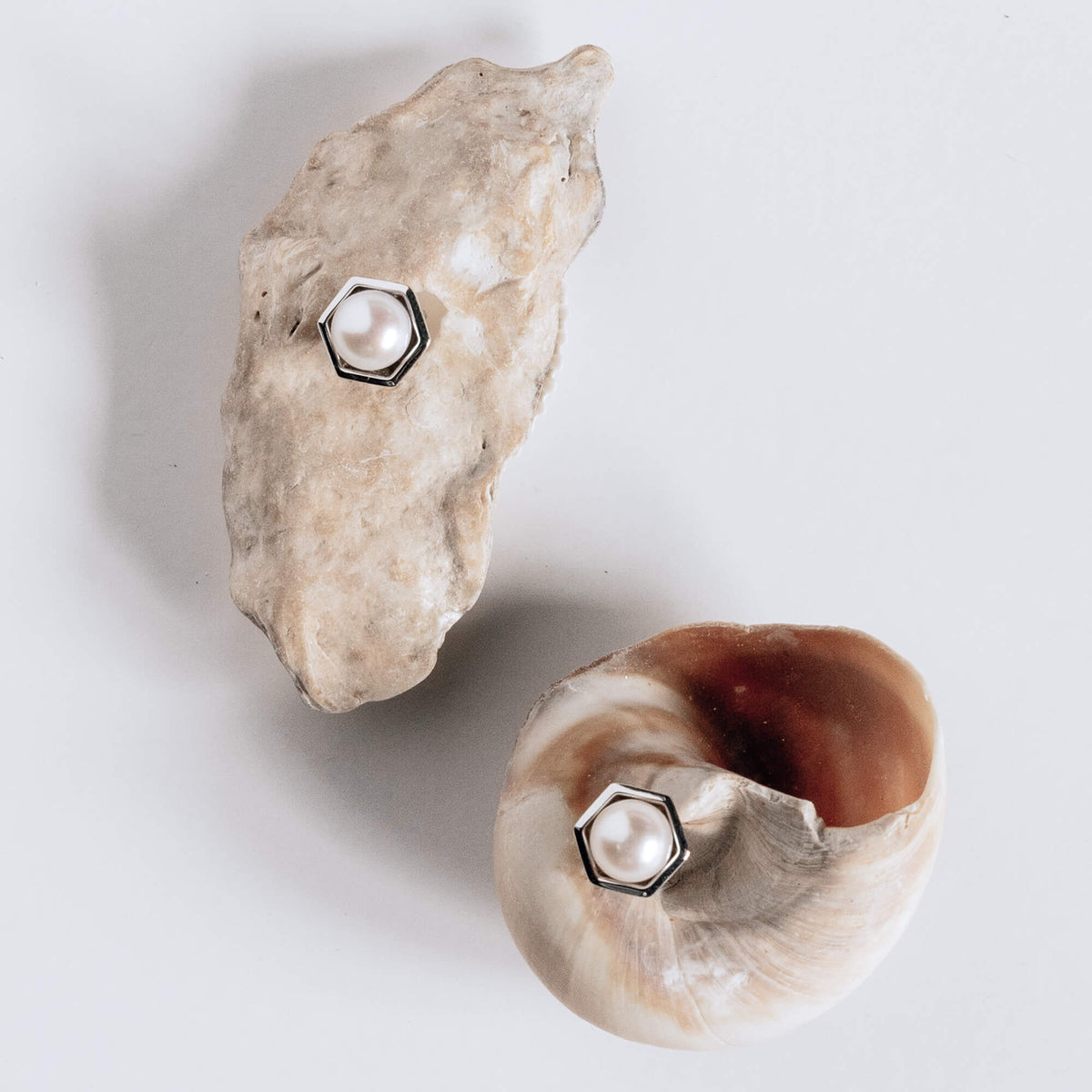
An item does not become an heirloom simply by surviving; it must remain relevant. Achieving timelessness requires a commitment to minimalist design principles—clean lines, balanced proportions, and a rejection of transient fashion trends.
When curating your collection with future generations in mind, prioritize structural density:
- Solid Foundations: Look for sterling silver pieces engineered with uniform thickness rather than hollowed-out backings.
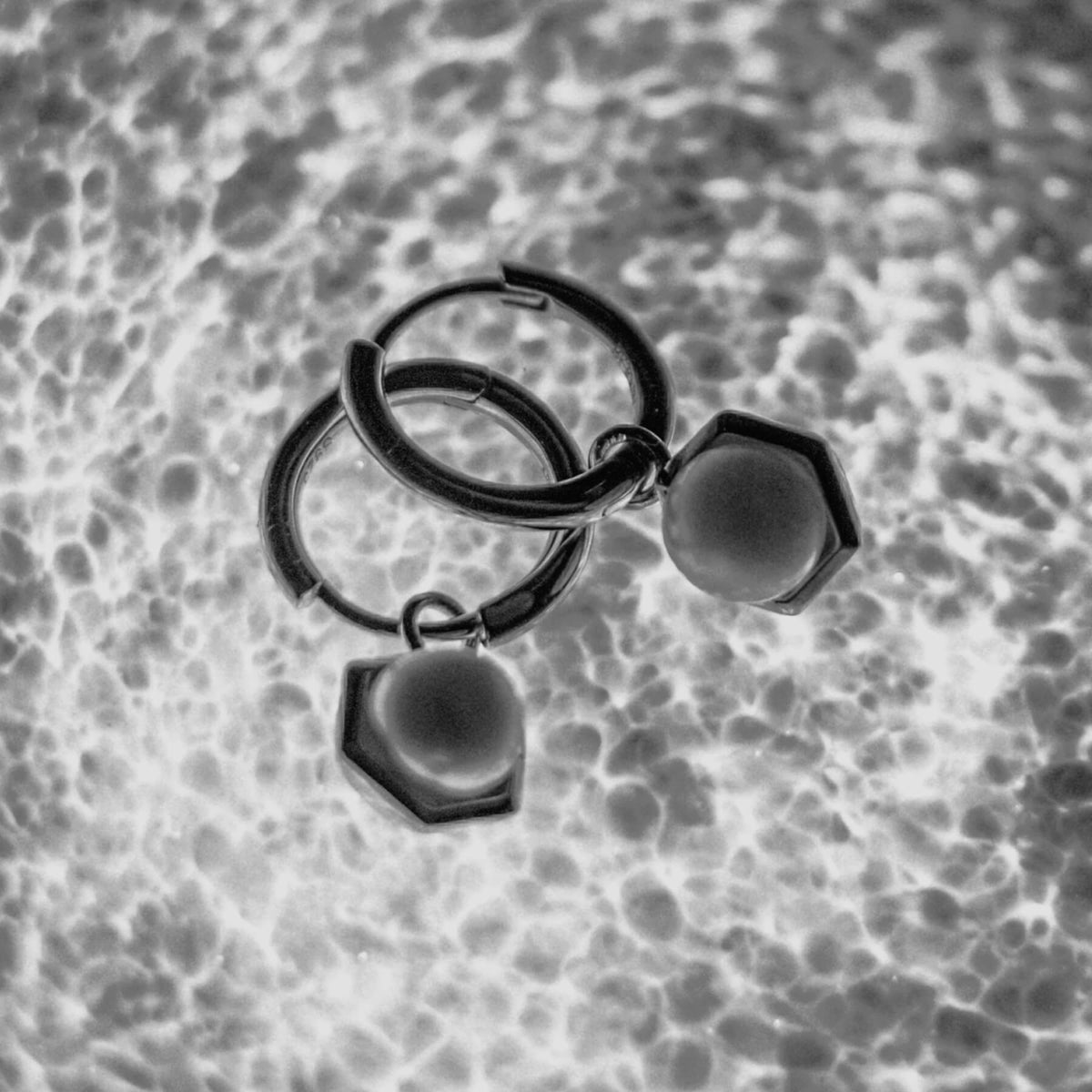
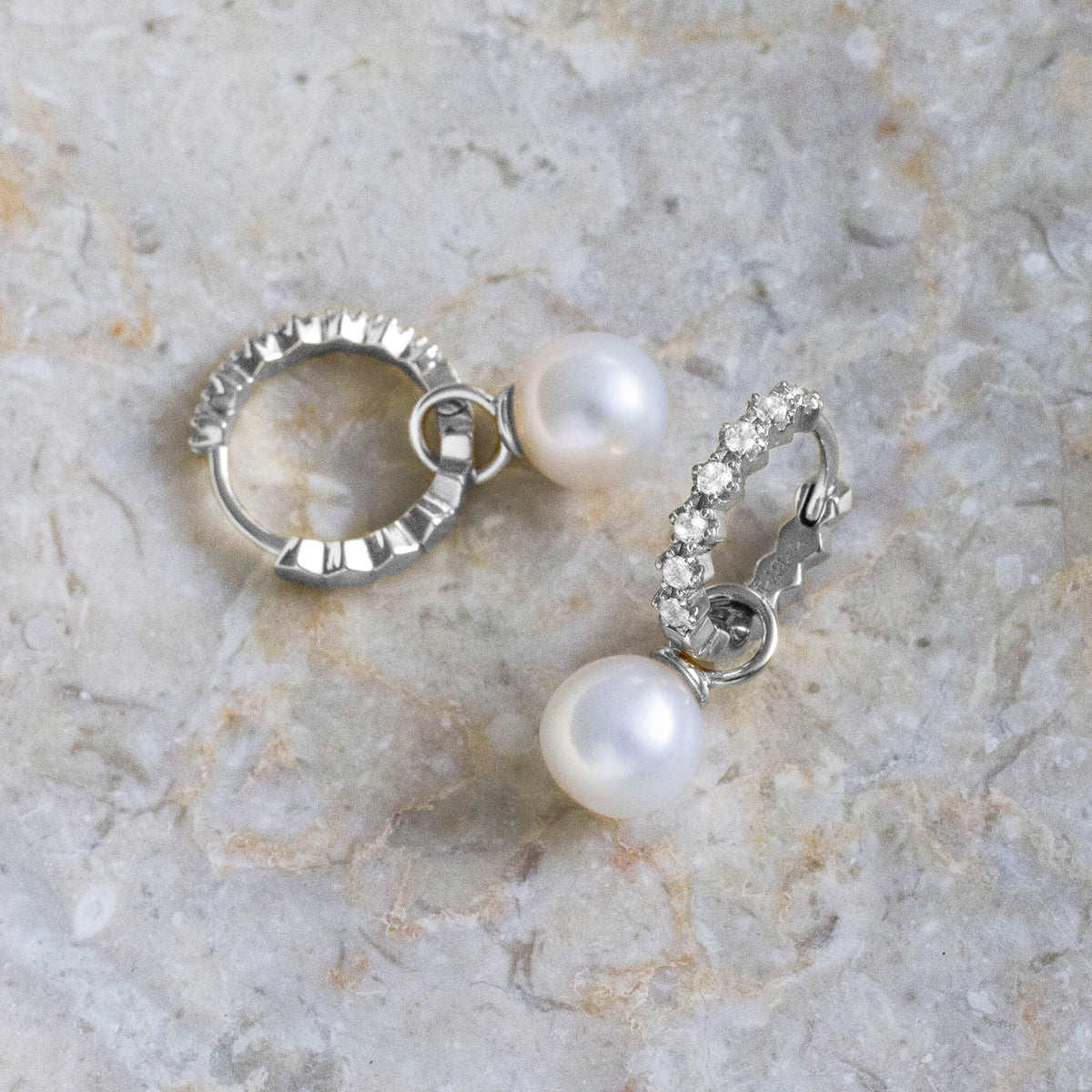
- Considered Closures: Opt for everyday earrings featuring robust post mechanisms and secure click-closures that withstand daily handling.
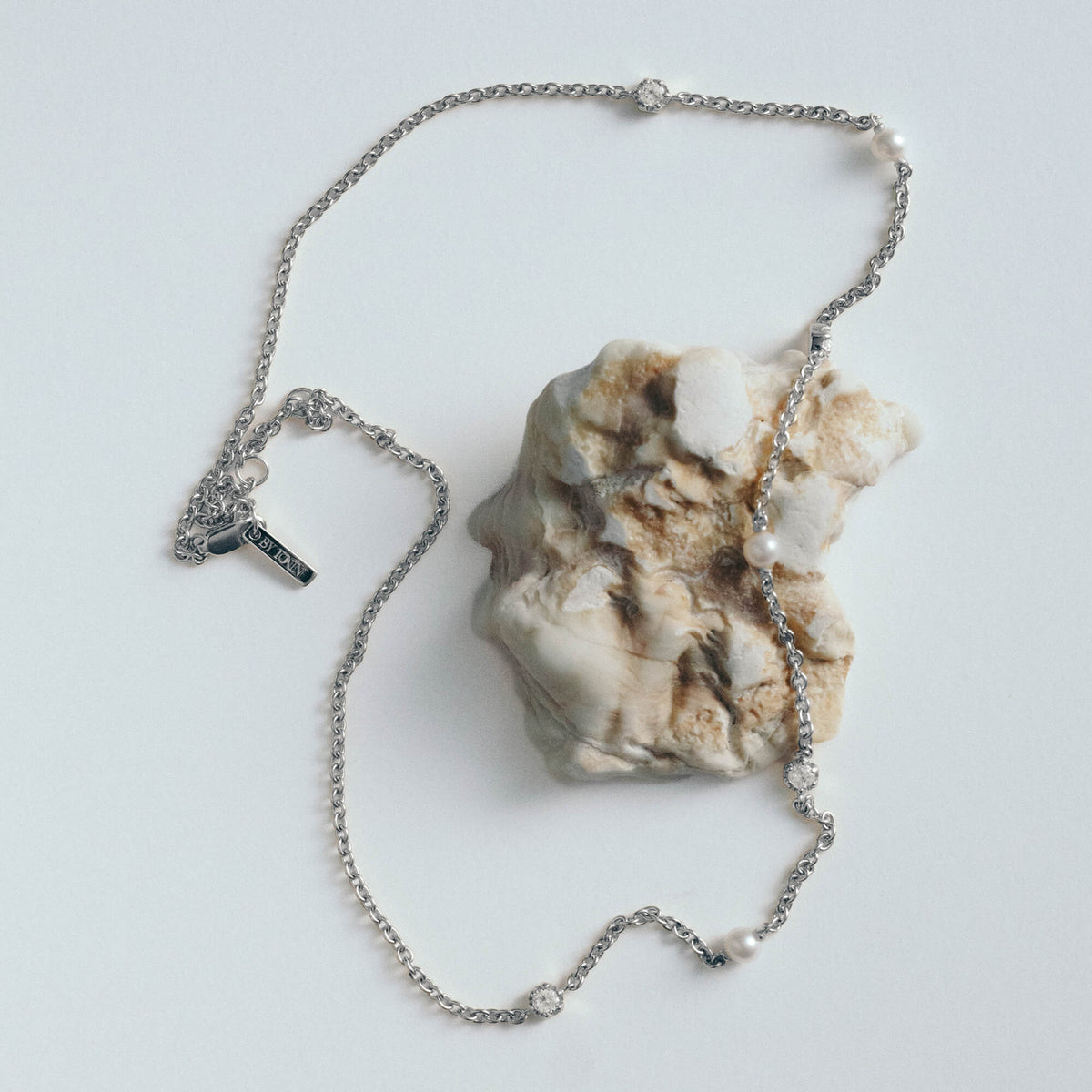
- Interlocking Links: Select layering necklaces anchored by classic, fluid link structures that distribute tension evenly.
An Investment in Considered Living
Choosing high-grade demi-fine silver is a core component of considered living. It represents a conscious shift away from temporary consumption toward enduring value. Because it contains a high percentage of pure precious metal, sterling silver retains intrinsic economic and material worth indefinitely.
Whether you are building your personal daily uniform or sourcing birthday jewellery gifts intended to mark a significant milestone, sterling silver carries both the emotional and physical weight of a future classic. It is designed to be lived in now, worn daily, and passed on when the time comes.
Discover our permanent edit of foundational 925 sterling silver jewellery online.