
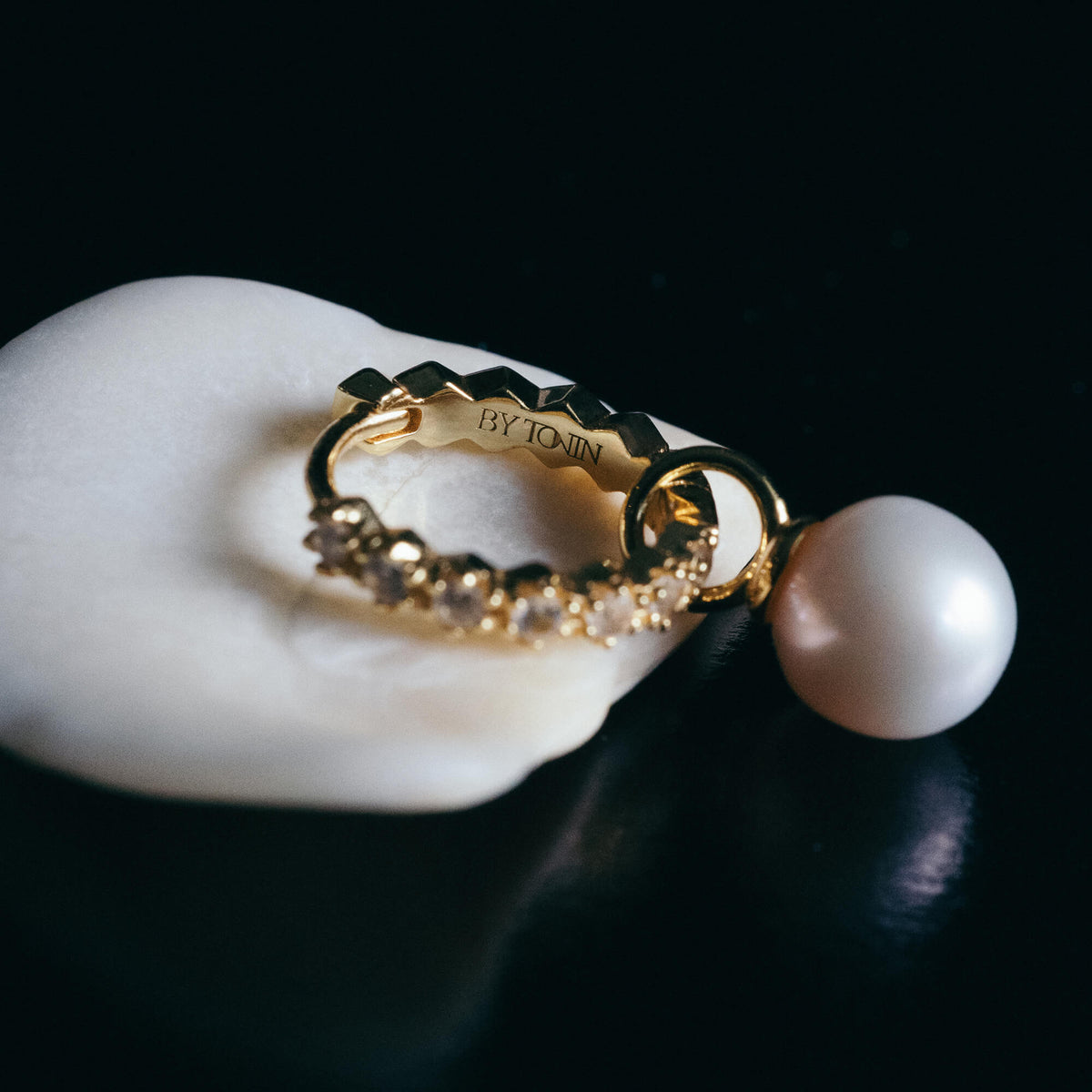
A Guide to Considered Purchasing: What to Look For When Buying Everyday Jewellery
Choosing jewellery is about choosing well. Because these pieces sit close to the skin and accompany us through daily routines, selecting them requires looking past surface appearance.
Whether you are building your own collection of modern jewellery or selecting an intentional gift, here is what to consider before making a purchase.
1. The Core Composition
The longevity of any piece begins with the base metal. Avoid plated base-metal options (like brass or copper) that cannot be easily cleaned or repaired. Always verify the composition before buying:
Solid Gold
Solid gold jewellery does not tarnish or change colour over time. While it represents a higher financial investment, it is a permanent piece made to be passed down.
Premium Gold Plating and Gold Vermeil
For a more accessible price point that still prioritises quality, look for a thicker gold plating standard applied over solid sterling silver. Often referred to as gold vermeil, this thick layer offers the warmth of gold with the structural permanence of silver, without the cost of solid gold.
Solid 925 Sterling Silver
Look for pieces stamped with '925'. This ensures the design is crafted from 925 parts pure silver, providing a solid foundation that can be polished back to its original finish over time.
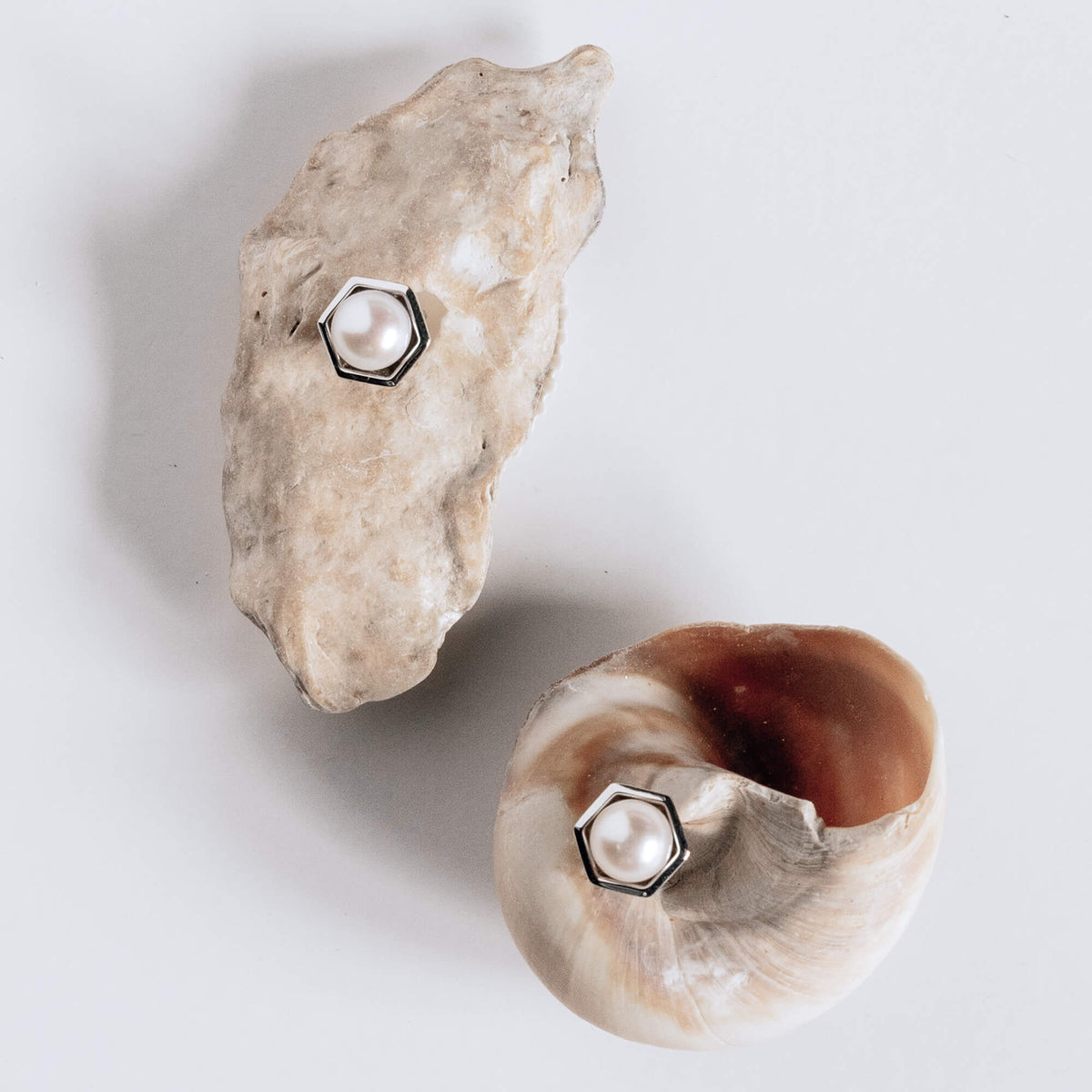

2. Understanding Plating and Longevity
When you aren't buying solid gold, understanding how a piece is coated determines how long it will last in your daily rotation.
Transparency in Plating
Many fashion brands rely on "flash plating," which is a micro-thin layer of gold (often less than 0.17 microns) that wears away quickly. Transparency means knowing exactly what you are paying for. Look for demi-fine jewellery that carries a gold plating standard of at least 1 micron over solid sterling silver. This density provides a resilient barrier for daily wear.
The Lifetime Benefit of a Silver Base
Even with high-quality plating, gold layers will naturally soften and mature over years of continuous daily wear. Because the foundation is solid precious metal rather than a base metal like brass or copper, it will not irritate the skin or leave green marks. When the gold layer eventually changes, you are left with a solid sterling silver piece that remains entirely wearable.
3. Weight and Construction (Solid vs. Hollow)
A simple test when buying jewellery is to assess its physical density. The weight of a piece tells the immediate story of how it was made and how long it will last.
The Reality of Hollow Fabrication
To lower material costs, mass-produced items often use hollow fabrication or thin tubing. While these pieces look substantial on screen, they are structurally fragile. Air pockets inside the metal mean that a simple accidental knock against a desk can cause irreversible denting, collapsing, or warping that a jeweller cannot repair.
The Longevity of Solid Construction
Well-crafted everyday necklaces, earrings, and rings should possess a grounded, tactile weight that you can feel the moment you hold them. Building collections out of solid 925 sterling silver ensures structural permanence. Solid metal doesn't dent or collapse under everyday pressure; it retains its shape through years of continuous wear.
The Layering Benefit
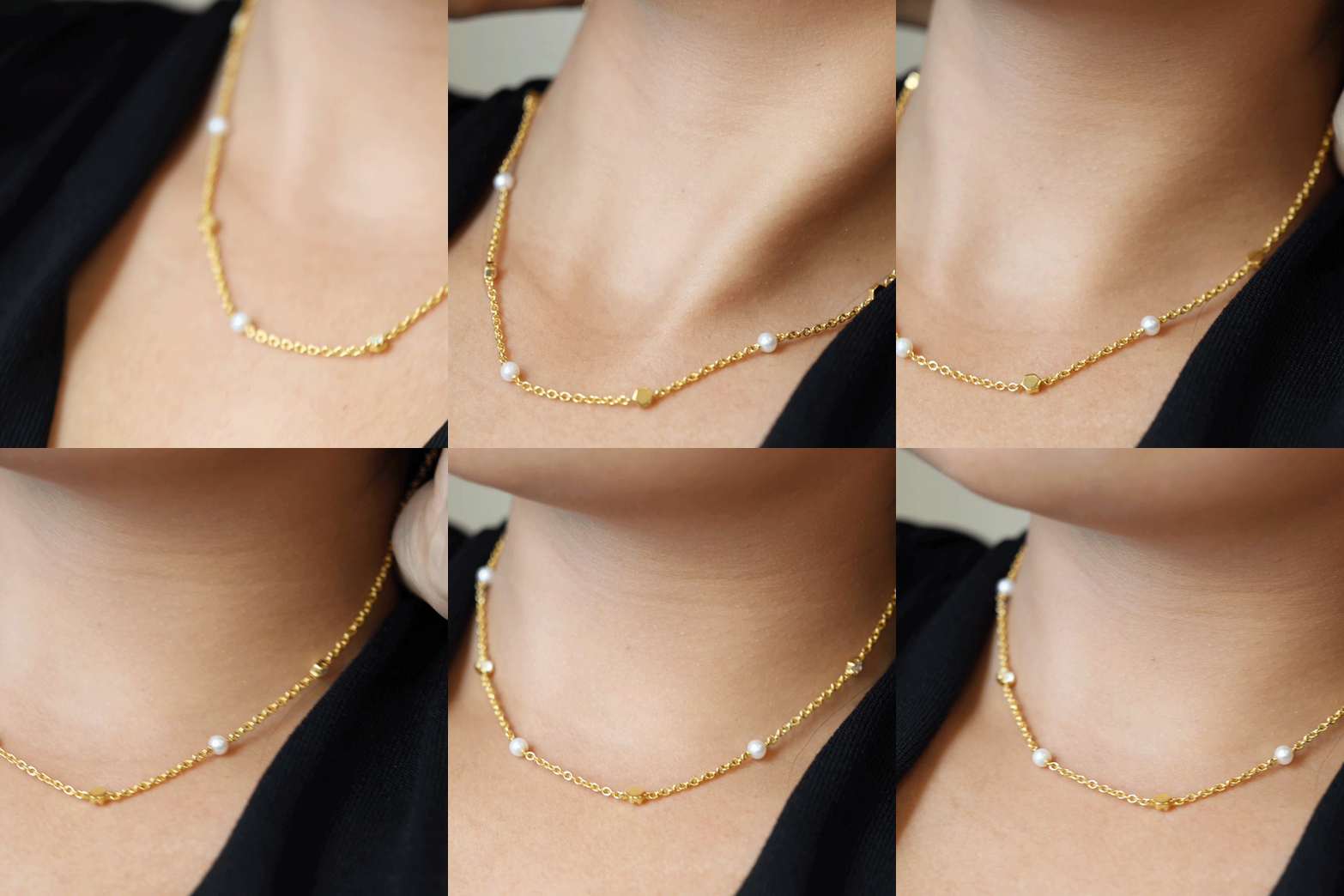
Weight also dictates how jewellery behaves on the body. Solid pendant necklaces and stacking chains possess the necessary density to drape naturally, resisting the tangling and twisting that frequently occurs with weightless, hollow alternatives.
4. Engineering and Practical Mechanics
For everyday wearability, the structural details of a piece determine how it performs throughout the day.
Substantial Earring Posts
Avoid thin, flimsy earring posts that bend easily under slight pressure. A well-made post should feel sturdy, maintaining its shape through daily wear and removal.
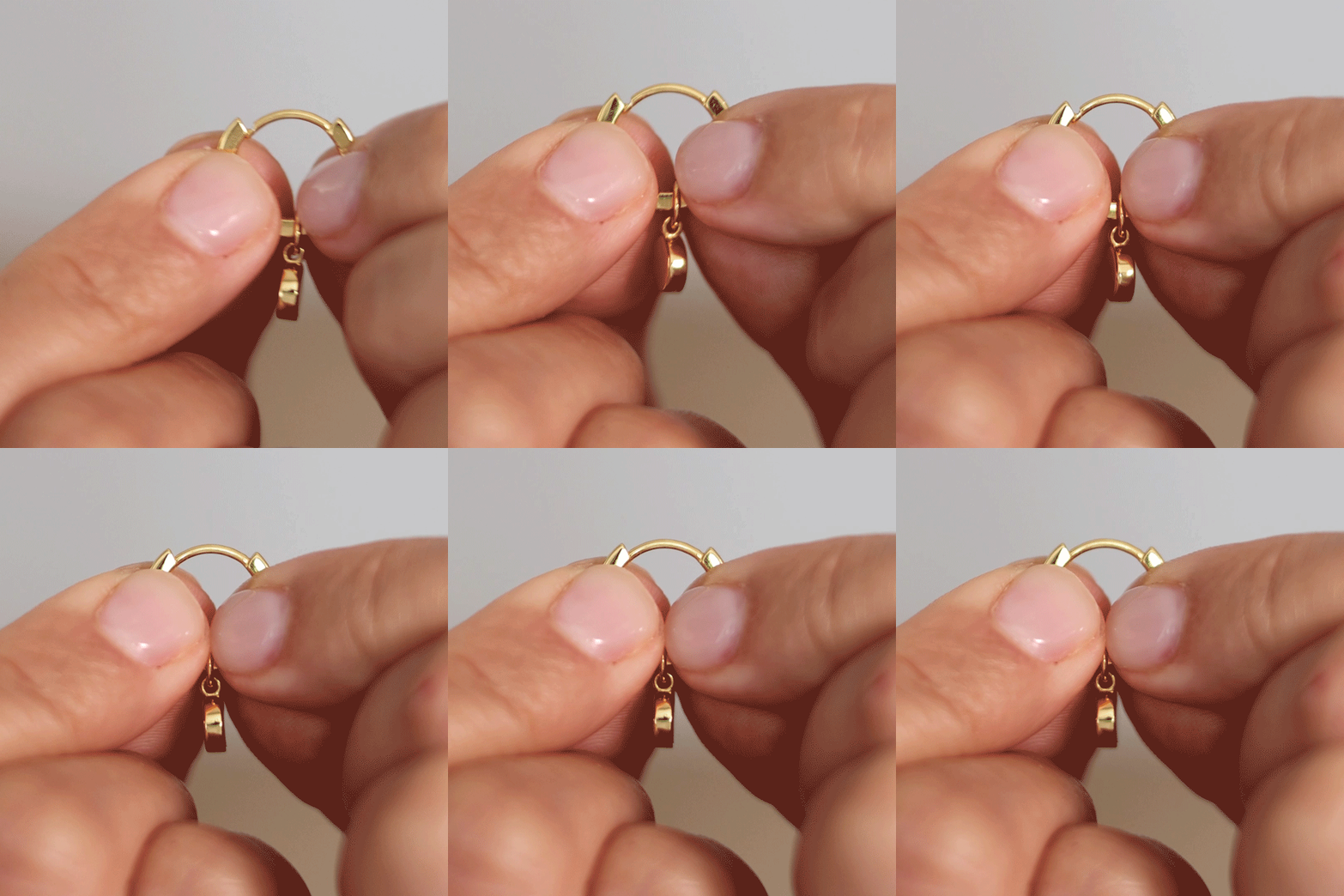
Flush Hinges
On hoop earrings or structural pieces, hinges should sit completely flush against the metal. Any exposed edges or prominent gaps can catch on hair or clothing.
Snag-Free Finishing
Run your fingers over the entire piece, especially around stone settings and edges. Prongs and joints should be completely smooth to ensure they do not snag on knitwear or delicate fabrics.
The Closure Track
Earring posts and necklace clasps should move smoothly along a precise track without wobbling, closing with a secure click.
The Interior Finish
Examine the areas of the jewellery that touch the skin. High-quality stone settings should be fully sealed and polished on the underside rather than left open, creating a smooth contact point.
Designed for Daily Wear
By focusing on solid foundations, precise mechanics, and material transparency, you ensure your jewellery remains a natural part of your daily uniform.
To explore pieces designed with these benchmarks in mind, view our collection of 925 sterling silver jewellery or discover our most-coveted essentials in the BY TONIN Bestsellers edit.
